


A slow, messy site can turn visitors away before you even speak to them. A lead generation website should load fast, build trust, and work well on search engines.
This article shows you how to attract the right people, capture their data, and boost conversions. We’ll cover UX, landing pages, CTAs, pop-ups, forms, analytics, and lead scoring.
Lead generation starts with a website designed to capture and convert visitors effectively. Website builders allow you to create professional, responsive sites with integrated forms and call-to-actions. Explore our recommended website builders to launch a website that drives leads and grows your business.
Build a High-Converting Website with the Best Builders
| Provider | User Rating | Recommended For | |
|---|---|---|---|
 | 4.6 | Beginners | Visit Hostinger |
 | 4.4 | Pricing | Visit IONOS |
 | 4.2 | Design | Visit Squarespace |
1. Grasp the Lead Generation Website Fundamentals
A good lead generation website does more than look nice. Its main job is to capture leads and turn them into qualified leads. Think of it as your 24/7 sales rep, guiding site visitors through the lead generation process.
Every part matters. This includes your landing pages, lead capture forms, and even calls to action, all work together. They should speak to your target audience, build trust, and push them toward the next step.
When done right, it helps you generate leads. It also improves your conversion rate and hands your sales team more ready-to-buy prospects.
Why “Just a Page With a Form” Fails

A single contact page with a lead capture form isn’t enough to generate leads today. Why? Because your potential customers aren’t ready to buy the second they land on your site. They come with questions, pain points, and doubts. A good lead generation website guides them from curiosity to trust, then to action.
Every part of your site should work together. Blog posts pull in organic traffic by answering what your target audience searches for.
Case studies and real-world examples build trust. Landing pages offer lead magnets like eBooks or a free trial in exchange for contact details. Your “About” page connects to the audience on a human level.
When these pieces act alone, the lead generation process breaks. But together? They create a smooth path to capture leads and turn them into qualified leads for your sales team.
Don’t forget mobile responsiveness. With over 64% of internet traffic coming from phones, a slow or hard-to-read site kills the conversion rate. Mobile-first design isn’t a bonus. It’s essential for effective lead generation and winning high-quality leads.
Must-Hit Benchmarks (Table)

Numbers tell the truth. If you want your site to generate leads, you can’t ignore the metrics. These shape your lead generation efforts and impact revenue. Hit these benchmarks to capture leads and boost your conversion rate. It also turns website visitors into qualified leads.
| KPI | Winning Number | Source |
| Page load time | ≤ 3 s | Google Web Vitals |
| Mobile traffic share | 60 % | Statista |
| Bounce risk after 3s delay | +32 % |
If your lead generation website takes five seconds to load, many site visitors will leave. This is even before you start to capture leads. Clunky lead capture forms on mobile? That kills your conversion rate fast. Speed, usability, and knowing your target audience are non-negotiable for effective lead generation.
2. Set Specific Goals & Identify High-Quality Prospects
Jumping into lead generation without clear goals is like sailing without a map. You might reach land, but it may not be where you planned. The first step in any effective lead generation strategy is knowing exactly what you want to achieve. You also need to know who you want to reach.
Start by setting SMART goals—Specific, Measurable, Achievable, Relevant, and Time-bound. Instead of a vague aim like “get more leads,” set a clear target. For example: “Increase qualified demo requests by 25% in Q4.” This goal is measurable, tied to your sales process, and has a set deadline.
Once your goals are in place, focus on attracting high-quality leads. You don’t want every click. You want qualified leads who are a good fit and likely to become paying customers.
This is where buyer personas come in. A persona is a semi-fictional profile of your target audience, built from research and real customer data.
Go beyond age and location. Look at the job title, industry, and their biggest pain points. What are their goals? Who do they report to? Do they have the budget to buy? Knowing these details helps you tailor your site’s landing pages. You can also align your site’s lead magnets and calls to action to connect with them.

Now, align your website’s conversion rate metrics with business goals. Track numbers like cost per lead and marketing qualified lead (MQL) volume. Don’t forget to track how many site visitors become sales-qualified leads. These metrics shouldn’t sit in isolation. They should support your sales team’s targets.
When your marketing teams share the same data and direction, the lead generation process runs smoother. You can better capture leads through well-placed lead capture forms and sign-up forms.
You also need the right lead qualification approach. With this approach, you’ll spend less time chasing unfit prospects and more time closing deals.
In short, define your goals, know your audience, track the right metrics, and align your teams. That’s how you generate leads that actually grow your business.
3. Map the Lead Generation Funnel
Your potential customers don’t land on your lead generation website ready to buy. They move through a sales funnel, from discovery to decision. A good site knows this lead generation process well and uses the right calls to action at each stage.
Here’s the thing: asking for a sale too soon can push them away. Instead, use lead magnets or landing pages to capture leads early. Then nurture leads with valuable content until they become qualified leads.
If your site matches content to the visitor’s stage, you’ll see results. In fact, pages that adapt to a user’s funnel stage can boost conversion rate by up to 300%. That’s the power of mapping the funnel right.
Awareness → Consideration → Decision → Loyalty

The lead-generating funnel is typically broken down into four core stages. Your job is to create a lead generator that meets the user where they are.

- Awareness (Top of the Funnel – TOFU) At this stage, your target audience feels a problem but may not name it yet. They’re searching for answers, not a sales pitch. Your job? Offer valuable content that solves their pain points. Use guides, tips, and lead magnets to capture leads. Then, pull them into your sales funnel.
- Consideration (Middle of the Funnel – MOFU) At this stage, your target audience already knows their problem. Now, they’re comparing solutions and providers. This is where you move from broad education to showing exactly how you can help. Use landing pages and lead magnets to highlight your value. Offer case studies, demos, or a free trial to build trust. Add strong calls to action and lead capture forms. This will help you generate leads and hand qualified leads to your sales team.

- Decision (Bottom of the Funnel – BOFU) At this stage, your qualified leads are close to buying. They’ve compared options and are looking for proof you’re the best choice. Give them targeted benefits, clear value, and trust-builders. Use free trials, demos, and detailed pricing to boost your conversion rate. Add strong social proof and calls to action that seal the deal and convert visitors into customers.
- Loyalty (Post-Funnel) Your job isn’t done after the sales funnel. This stage is about keeping potential customers happy so they return. Create your own website and use it to share relevant content, guides, and tips. Great support, upsells, and referrals help you nurture leads and boost your conversion rate.

Content–Funnel Quick-Match
A sales funnel works best when each stage has the right content and calls to action. Here’s your quick table to match funnel stages with lead capture and offers that convert visitors into quality leads.
| Funnel Stage | Best Lead Generation Content | Prime CTA |
| Awareness | SEO blog, checklist, infographic, educational video | “Download Free Guide” |
| Consideration | Webinar, case study, product comparison sheet, whitepaper | “Book Live Demo” |
| Decision | ROI sheet, comparison table, customer testimonials, free trial | “Start Free Trial” |
| Loyalty | Onboarding kit, referral offer, advanced user guide, community forum | “Share & Earn Credit” |
When you match your content to the sales funnel, you guide potential clients step by step. This helps generate leads, boost your conversion rate, and improve lead nurturing. Done right, it turns clicks into high-quality prospects.
4. Architect Conversion-Ready Landing Pages

Your landing pages are the front line of your lead generation. They are the focused pages where a visitor “lands” after clicking an ad or email marketing link. Unlike your homepage, which does many things, a landing page has one goal: lead capture. That means turning visitors into high-quality prospects.
Speed is the first thing to get right. In the digital world, patience is rare. Google data shows that as page load time moves from one to three seconds, the chance of a visitor leaving jumps by 32%. At five seconds, it’s 90%.
Even a one-second boost can lift your website conversion rate. How? By optimizing images, cleaning up code, and using a hosting provider. These aren’t just tech tweaks, they’re core marketing efforts.
Next is simplicity. A cluttered page kills effective lead generation. The best pages are clean, with a clear path to your calls to action. Use whitespace, high-contrast colors, and layouts that guide the eye.
Remove distractions. Every second someone spends guessing what to do is a second they’re not moving through the buying process.
Finally, think mobile first. Most visitors see your page on their phone. Make it easy. Use big, thumb-friendly buttons, short scannable text, and forms that are fast to fill in.
Your marketing teams could be driving traffic through paid advertising or organic search. However, these changes help shorten sales cycles and increase conversions. Your landing page is your silent salesperson. Build it well, and it works for you 24/7.

Namecheap
8 Design Non-Negotiables
A lead generation website that works needs a solid base. There are eight design rules you can’t skip. Use them on all your landing pages to boost lead nurturing and calls to action every time.

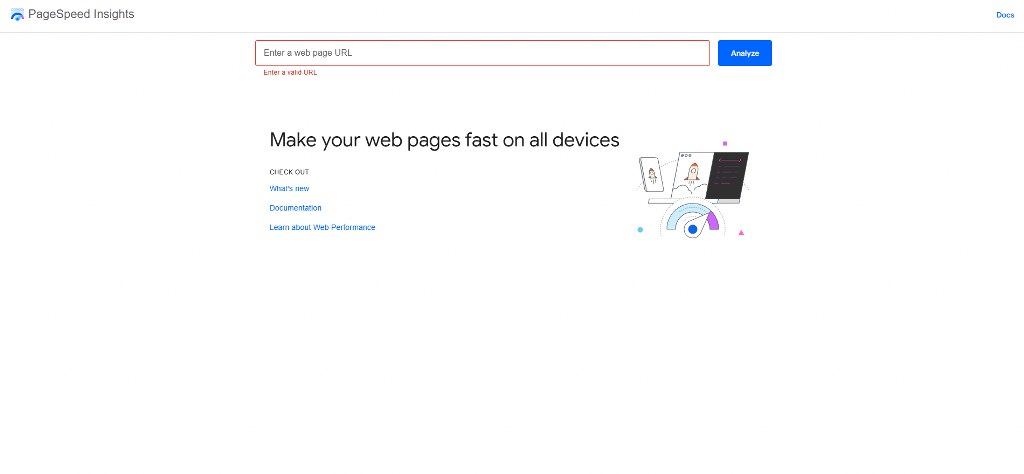
- Blazing Load (< 3 s): Your landing pages must load in under three seconds. If they don’t, visitors leave before they even see your offer. Use tools like Google PageSpeed Insights to check speed. Compress images, enable browser caching, and keep your code clean and minified. Fast load times boost lead generation and keep your sales efforts on track.

- Clear Value Headline: You have about five seconds to hook a visitor. Your headline should clearly answer, “What’s in it for me?” Make it benefit-driven and relevant to the ad or link that brought them. A strong headline helps drive lead qualification and keeps your audience engaged.
- High-Contrast CTA Button: Your calls to action should be the most visible element on the page. Pick a color that pops against the background.
Keep the button large and easy to click, especially on mobile. Clear CTAs improve lead-generating results. They can even boost B2B lead generation performance.
- Strategic Whitespace: Whitespace isn’t wasted space. It’s a design tool. It reduces clutter and directs attention to key elements like headlines, forms, and CTAs. This improves readability and supports the best lead generation practices.
- Social Proof Cluster (Logos, Reviews): People trust people more than brands. Show logos of known clients, star ratings, or testimonials with names and job titles. Even stats like “Trusted by 50,000 users” build trust and improve demand generation.

- SSL & Trust Badges: Security matters. Always have an SSL certificate and display the padlock icon. Add trust badges from reputable sources to show visitors that their contact details are safe. This simple step boosts conversions on lead generation websites.
- Thumb-Friendly Navigation: On mobile, users scroll and click with their thumbs. Keep CTAs and form fields big enough and within easy reach. Avoid tiny links that frustrate users and harm content marketing results.
- Distraction-Free Layout: Keep your landing pages clean and focused. Remove anything that doesn’t support your main conversion goal. One clear path forward helps visitors take action. It could be a signup, a free trial, or a purchase.

Follow these eight rules and you’ll cut friction, earn trust, and boost conversions. They help your lead generation website work better and improve landing pages. They also make calls to action hard to ignore, driving more B2B lead generation and better sales efforts.
5. Craft Irresistible Calls-to-Action

Your landing pages are where visitors decide to act or leave. And your calls to action (CTAs) are the turning point. A weak or hidden CTA can waste your lead generation efforts. In contrast, clear, bold CTA can help you capture leads and move them into your sales funnel.
The words you choose matter. Use short, action-driven phrases that tell your target audience exactly what to do. “Get My Free Trial” works better than “Submit” because it focuses on what they gain. Keep it benefit-focused and easy to read. Strong verbs like “Start,” “Join,” or “Claim” work well.
Want more leads? Use urgency. Phrases like “Limited-Time Offer” or “Join Now” push potential customers to act fast. Scarcity triggers FOMO and keeps them from delaying.
Design counts too. Place your CTA above the fold so site visitors see it without scrolling. For longer pages, repeat it at the bottom to catch those who read everything.
Make your button color pop against the background, and leave white space around it. Even a small arrow icon can pull the eye toward it.
Remember, your CTA should work hand in hand with your lead magnets and lead capture forms. The goal? Guide qualified leads through the lead generation process and toward becoming paying customers.
When specific, CTAs boost conversion rates by 161%. That’s more high-quality leads for your sales team to close. Keep testing, keep refining, and watch your website conversion rate climb.
High-Converting CTA Examples (Table)
The best lead generation CTAs match their goal in the sales funnel. Below, you’ll see real-world examples that show how to blend action, benefit, and triggers to capture leads and turn them into qualified leads.
| Goal | CTA Copy | Extra Push (Microcopy) |
| Capture leads | “Download the 2025 Report” | “No email spam, ever” |
| Generate leads | “Book Strategy Call” | “Spots fill fast.” |
| B2B lead generation | “See ROI Calculator” | “3-minute setup” |
6. Optimise Lead Capture Forms

Your lead capture forms can make or break your lead generation. They’re the final step between your site visitors and a new lead. If they’re long, confusing, or intimidating, even interested potential customers may walk away.
Here’s the truth: every extra field adds friction. So, keep your sign-up forms short. Ask only for what you truly need. Do you need a phone number for a newsletter? Probably not. The shorter the form, the better quality leads you’ll get.
But wait, there’s a balance. A very short form will bring more leads, but not all will be qualified leads. If your goal is a sales-qualified lead for your sales team, add a field or two for lead qualification. This “positive friction” helps filter out less serious prospects.
Want both volume and quality? Try progressive profiling. Ask for minimal info on the first conversion. Then, on future visits, your form can request new details. This way, you capture leads without overwhelming them.
Over time, you build better profiles and improve your lead generation process, without hurting your website conversion rate.
Form Friction Killers

The design and usability of the form itself are critical. Even a short form can perform poorly if it’s poorly designed. Here are the key elements to focus on to kill friction and maximize completions.
- Multi-Step Forms Breaking a long form into smaller steps can boost conversions by up to 300%. It works because it feels easier. Instead of facing ten fields at once, users only see one or two per screen. This keeps them moving forward, a trick backed by the Zeigarnik effect. Always show a progress bar like “Step 1 of 3” so they know what’s coming. This approach works well on landing pages for a lead generation website. It also works when using lead generation tools to improve sign-ups.
- Autofill & Inline Validation Make things effortless. Enable browser autofill so names, emails, and addresses fill in with one click. Add inline validation to show instant feedback. A green checkmark when the email format is correct. A red message appears if a required field is missed. This avoids the frustration of completing an entire form only to see errors at the end. On the best lead generation forms, this small step can reduce drop-offs. It also improves ROI from paid advertising.
- Clear Labels and Layout Keep labels short and clear. “First Name” works better than “Given Name.” Put labels above fields for easy scanning. Use a single-column layout for smooth reading. Match field sizes to the expected answer length. This makes your lead generation process smoother and improves conversions.
5-Point Checklist

Use this quick checklist to audit your own lead capture forms and identify opportunities for improvement.
- Ask only vital data: Keep your form short. For most top-of-funnel offers, an email and maybe a first name are all you need.
- Use progressive profiling: Returning visitors? Use smart forms to collect new details over time. This helps improve lead scoring without scaring people away.
- Place form above the fold: On your landing pages, don’t make users scroll. Your form should be one of the first things they see.
- Add privacy note & lock icon: Build trust fast. A line like “We respect your privacy” plus a lock icon can boost completions.
- Test single vs. multi-step layouts: Not sure which works best? Run A/B tests. This will show you if a single form or a multi-step form drives the best lead generation for your audience.
7. Publish Content That Generates & Nurtures Leads

Content is the engine of your lead generation efforts. It’s what pulls in website visitors, builds trust, and moves them toward becoming qualified leads. But here’s the thing: not all content works the same. The best lead generation website focuses on valuable content.

It speaks to your target audience at every stage of the sales funnel. Start by building authority. People are more likely to share their contact details with a brand they see as helpful and credible.
In fact, in-depth guides, original research, and webinars can convert up to 10x better than short, generic posts. This is how you generate leads and position yourself as a trusted expert.
Work smart with what you already have. Repurpose content to reach more potential customers in different ways. For example, turn a detailed whitepaper into blog posts, videos, and social media tips. This stretches your content investment and keeps your lead generation process active.
Don’t forget lead magnets. Gated resources, like exclusive reports, help you capture leads through lead capture forms. When promoted through email marketing, these can deliver two to three times more high-quality leads than ungated content.
The goal is simple. Build trust, nurture leads, and guide them toward becoming paying customers.

Email Nurture Stack
Capturing a lead is only the start. The real work begins when you nurture leads through email marketing. An email nurture sequence is a set of automated emails that build trust and give valuable content. It guides prospects deeper into your sales funnel.
Done right, it turns casual sign-ups into qualified leads and eventually paying customers.
To make it happen, you need the right lead generation tools. An email platform like Kit (formerly ConvertKit) helps you set up automated “flows.” These are triggered by lead magnets or lead capture forms on your lead generation website.

This keeps your lead generation efforts consistent and your target audience engaged without extra manual work.
Beyond email automation, many businesses also look for ways to keep leads engaged outside the inbox. Platforms like NAS.io allow brands to organize sign-ups, share gated resources, and maintain ongoing communication in one centralized space. This approach helps extend lead nurturing beyond a single campaign and supports long-term engagement as prospects move deeper into the funnel.
Personalization is key. Don’t send the same email to everyone. Segment based on what they downloaded or how they interacted with your landing pages. A beginner’s guide download should trigger a different sequence than a pricing request.
Why does this matter? Well-segmented email campaigns see open rates jump, often over 28% higher than non-segmented ones.
That means more engagement, more leads, and a smoother sales process for your sales team. With the right strategy, email marketing becomes a 24/7 lead generator that works while you focus on closing deals.
8. Build Trust & Credibility for a Higher Conversion Rate
On the internet, trust is everything. If visitors don’t trust you, they won’t share their email, let alone a credit card. A good lead generation website needs more than optimized landing pages and lead capture forms. Every part of your site should build credibility, not break it.
One of the fastest ways to earn trust is social proof. When your target audience sees familiar brands or glowing reviews, they’re more likely to become qualified leads. In fact, studies show that strong social proof can increase conversion by 34%.
Place logos, customer quotes, and ratings close to your calls to action for maximum impact.
Transparency matters too. Show real photos of your team on the “About” page. List clear pricing so potential customers know you have nothing to hide. The easier you make it for them to feel secure, the better your website conversion rate.
Lastly, protect user data. A clear privacy policy and GDPR compliance signal that you respect their information. This simple step can turn more visitors into high-quality leads and speed up your lead generation process.

9. Stack the Right Tech – Hosting, Builders & Integrations
Behind every great lead generation website is a solid technology stack. The platforms and tools you choose have a direct impact on your site’s speed and ability to scale. Making the right choices here is fundamental to building a site that looks good and performs flawlessly under pressure.
Hosting & Infrastructure
Your web hosting is the base of your lead generation website. Think of it as the land your digital home sits on. Pick a poor host, and you risk slow speeds, downtime, and lost quality leads. That can kill your lead generation efforts fast.
For a site built to capture leads, you need the best web hosting provider that’s both fast and scalable. Why? A viral post or big campaign can flood you with website visitors. Without scalable hosting, your site might crash right when potential customers are ready to act.
Look for a provider with 99.9% uptime, quick server response, and 24/7 support. The best lead generation sites load in under three seconds and stay stable, no matter how much traffic you throw at them.
Fastest Build Paths
Building your own website has never been more accessible. You don’t need to be a professional developer to create a beautiful and effective site. Here are the most common and effective paths, from easiest to most customizable:
- Hostinger Website Builder: A great choice if you’re starting out. Hostinger has a simple drag-and-drop editor, clean templates, and AI-powered tools to help you write copy fast. You can launch your site without any tech stress.
- IONOS Website Builder: IONOS is similar in ease, but with a focus on business. You get industry-specific templates and built-in analytics tools to track results from day one. Perfect if you want a site ready to drive lead generation right away.
- WordPress + Elementor: Need more power? WordPress is the top CMS worldwide. Pair it with Elementor Pro and you get full customization with a visual editor—ideal for building flexible sites that grow with your needs.

Essential Integrations
Your website should not be an island. To create a truly efficient lead generation machine, you need to connect it to other essential marketing and sales tools. These integrations automate workflows and ensure that no lead falls through the cracks.

- Customer Relationship Management (CRM): This is the heart of any lead generation website. A CRM like HubSpot or Zoho stores all your leads in one place. Connect your site’s forms so every lead is added automatically. It will also be assigned to sales and put into a follow-up flow. This keeps your lead scoring and tracking simple.
- Analytics & Heatmaps: Analytics tools like Hotjar or Crazy Egg show where visitors click, scroll, and stop. These heatmaps help you see what works and what doesn’t. You can then improve pages for better results.
- Automation Tools: Zapier links your apps together. One form submission can add a lead to Google Sheets. It can also ping your team in Slack and subscribe them to your email list automatically.
- Freelance Platforms: Need custom design or coding? Sites like Fiverr or Upwork connect you to skilled freelancers. Hire for one project and get expert help fast.

10. Launch, Measure, and Iterate
Launching your lead generation website isn’t the end. It’s where the lead generation process starts. Markets shift, and site visitors change how they interact. To get more leads, keep testing your landing pages and lead capture forms. Use data to refine and improve your lead generation efforts.
Analytics First
You can’t fix what you can’t track. To improve a lead generation website, you first need strong analytics. They show how site visitors use your pages, landing pages, and lead capture forms. With this data, you can refine your lead generation efforts and capture leads more effectively.
- Google Analytics This free, powerful tool is a must for tracking and improving lead generation services. It shows where visitors come from, which pages get the most views, and how long they stay. You can track conversion rates and bounce rates. You can also spot the best traffic sources like organic search, social media, or paid ads.
- User Behavior Tools Tools like Mixpanel or Hotjar help you go deeper. Mixpanel tracks user actions so you see “who did what” before converting. Hotjar’s heatmaps and session recordings reveal clicks, scrolls, and drop-off points. These insights let you deliver content better. You can even explore AI-driven personalization for higher engagement.

Continuous A/B Testing
Once you spot an issue or opportunity, A/B testing helps you find the best fix. You compare two versions of a page or element to see which performs better.
This could be headlines, calls to action, landing pages, or lead capture forms. Send half your site visitors to Version A and the rest to Version B. Keep the test running until the results are statistically clear.
The goal? Remove guesswork from your lead generation process. You may think a new color or lead magnets will generate leads, but only testing proves it. Use tools like Optimizely or Unbounce to make testing easier.
Always test one change at a time. Have a clear hypothesis before you start. Then, use the insights to improve your next test and steadily boost your website conversion rate.
Conclusion
A good lead generation website isn’t just about looks. It works to capture leads, guide your target audience, and turn them into qualified leads. Focus on landing pages, clear calls to action, and smart lead capture forms.
Keep improving and you’ll generate leads that matter. This will help your sales team close more deals with high-quality leads.
Need a strong call to action that’ll boost your lead generation website? Check out our expert guide on how to craft a compelling CTA.

Next Steps: What Now?
You’ve got the blueprint. Now it’s time to put it into action. Here’s your quick action list:
- Define your target audience.
- Map your conversion path.
- Choose the right platform & tools.
- Craft irresistible offers.
- Optimize for speed & mobile.
- Test and refine.
Further Reading & Useful Resources
To improve your website content and user experience, explore these quick guides:
- Contact Us Page: Tips to create clear, engaging, and action-driven contact pages.
- Copyright Your Website: Learn how to protect your site’s content legally.
- Write an FAQ: Structure FAQs that answer common questions and build trust.
- Write Alt Text: Create alt text that improves accessibility and SEO.
- About Us Page: Craft compelling stories that connect with your audience.


