The online food market is growing and could reach $427 billion (USD) by 2027.
Starting a home-based food business is a great way to turn your love for cooking into a steady income. But figuring out how to sell food onlinefrom home can be overwhelming.
From food laws to branding and marketing, this guide covers everything you need to get started.
Selling food online from home starts with a site that’s secure, attractive, and user-friendly. Explore our curated list of the best website builders to launch a professional online store that supports your business from day one.
Best Website Builders to Sell Food Online From Home
Research food laws and regulations to ensure safety and compliance.
Use a produced or curated approach to align with your goals.
Select a profitable niche and know your market to be successful.
Build a brand with a strong online presence to attract clients.
Offer appealing, distinct, affordable food products to stand out.
Streamline shipping, payments, and orders for smooth operations.
Research and Legal Requirements
Before you start selling food online, you need a solid legal foundation. This means knowing food laws, safety rules, and licensing requirements. These steps ensure your online food business operates legally and safely.
Note
The information provided in this text is for informational purposes only and does not constitute legal, financial, or professional advice. The content is primarily directed toward U.S. citizens, who are advised to consult with relevant authorities or legal professionals before taking any action. Non-U.S. citizens should check with local authorities to ensure compliance with local laws.
Food Laws and Regulations
Understanding laws and regulations can be tough, but it’s important to run a safe and legal business. Here’s what to focus on:
Federal Laws
The U.S. Food and Drug Administration (FDA) creates rules for food safety across the country. These rules cover many areas, like proper labeling and safe food handling.
Learn about the FDA’s Food Code. This guide is an essential tool for understanding safe food practices and offering expert advice on food safety. It explains how to control temperatures, avoid cross-contamination, and keep your food prep area clean and sanitary.
Using this resource allows you to handle and store food properly, meet legal requirements, and keep your customers safe. Staying informed about these standards is crucial for running a successful online food business.
State Laws
Federal laws give a basic set of rules, but every state has its own. These rules vary widely, so it’s essential to check what applies where you live.
Some states have stricter rules on what foods you can sell from your home kitchen. Others may require specific labels. Researching these details helps you follow the law and run your food business legally.
Knowing your state’s requirements ensures you avoid issues and stay fully compliant with food laws.
Cottage Food Laws
Many states have “cottage food laws” that allow you to make and sell low-risk foods from home. These laws support small businesses but come with limits.
You can usually sell items like baked goods, jams, and jellies. But rules about what you can sell and how much vary widely depending on where you live. It’s important to check your state’s cottage food laws to understand what’s allowed.
Licensing and Permits
Depending on where you live and the food you plan to sell online, you’ll likely need licenses and permits. Common ones include a food handler’s permit, a general business license, and sometimes a special permit for running a home-based food business.
To find out what’s required, contact your local health department or other local authorities. These permits and licenses help your business meet safety and legal requirements. They also build trust with your customers by showing that you follow proper standards.
It’s your job to keep products safe and high-quality when selling food online. Follow these steps to ensure your operations meet the best safety standards.
Safe Food Practices: Follow strict food safety rules from start to finish. Wash your hands well, use clean tools, and store food at the right temperatures.
Constant Learning: Take a course to learn more. These courses teach key skills like handling food safely, keeping it at the right temperature, and avoiding cross-contamination.
Traceability: Keep clear records of where your ingredients come from. This is key to tracing any contamination and ensuring your products are safe and high-quality. If an issue arises, you can quickly identify the problem and take action. Good traceability shows you care about safety and stay transparent with your process.
Record Keeping: Keep clear records of everything about your food production. Write down ingredient lists, production dates, and safety checks you complete. These records are essential for following food laws and spotting ways to improve. Good record-keeping also helps you track inventory, manage orders, and check how well your process works.
Liability Insurance: Get liability insurance to protect your business. It covers you financially if someone claims your food caused illness or other problems.
Insurance gives you peace of mind. It helps you handle surprises without worry. Focus on growing your business, knowing you’re covered for unexpected claims.
Finding Your Niche and Target Audience
To succeed in the busy online food market, you must find your niche. Focus on profitable food categories and learn what your ideal customers want. Understand their needs and preferences to stand out and grow.
Identifying Profitable Food Niches
Picking the right niche is key to a successful online food business. Think about these factors when choosing the best niche for your food products:
Personal Interests and Skills
What excites you most about cooking? What foods do you make best? Start with what you know and love. Using your skills and interests ensures you enjoy the work and create quality products.
Passion makes a big difference—it shows in every bite. When you’re truly excited about your food, customers will notice and come back for more.
Dietary Trends
The food industry is always changing, with new diets popping up often. Focus on trends like gluten-free, vegan, keto, or paleo to meet these demands. Offering food products for these diets lets you reach growing markets. It also attracts health-conscious buyers.
Tip Consumers are now increasingly drawn to businesses that care about the planet. Offer eco-friendly products and use biodegradable, recyclable, or reusable packaging to reduce waste and show your commitment to sustainability.
Unique Selling Proposition (USP)
What makes your food products different from the competition? Do you use unique ingredients, a special recipe, or offer custom options? A strong Unique Selling Point (USP) draws in customers and keeps them coming back. It sets you apart and makes your products unforgettable.
Tip Rather than focusing solely on pricing your service, highlight the unique value your food business brings to your consumer. From premium ingredients to cultural authenticity or health benefits, sell the value of your business.
Examples of Profitable Niches
Custom or novelty products: Think custom cookies, themed cakes, or fun flavor combos for special events or personal tastes. These food products add a personal touch, perfect for tapping into niche markets.
Gourmet, artisanal, and small-batch food: Use top-quality ingredients and handmade methods to create stand-out products. These items often command higher prices and attract customers looking for unique food experiences.
Allergen-free, gluten-free, or nut-free: Offer safe and tasty options for specific dietary needs to include more customers. As awareness of food allergies grows, this is an opportunity to expand your customer base.
Certified organic, natural, and fair-trade ingredients: Use ethically sourced ingredients to attract health-conscious buyers. Many customers care deeply about where their food comes from and how it impacts the planet.
Vegan, vegetarian, kosher, or halal foods: Reach more people by offering foods for different diets and cultures. This helps you connect with a bigger group of customers and focus on diet trends and cultural preferences.
Paleo, keto, or low carb: Focus on popular diet trends with simple special foods. Health-focused buyers want products that fit their diets. These niches attract loyal customers looking for foods that match their lifestyle and needs.
Tip Partner with a certified nutrition coach who can add credibility to your food business. They can help you design healthier menus, highlight nutritional benefits, and build trust with health-conscious customers.
Market Research and Validation
Once you’ve chosen a niche, it’s time to test your idea and learn about your audience.
Target Audience: Who are your ideal customers? What do they like and how do they shop online? The more you know, the better you can tailor your products and marketing. Think about their age, location, lifestyle, and habits. Do they prefer trendy diets or small-batch foods? Tailoring your business to their needs will help it grow.
Demand Analysis: Use Google Trends to check interest in your niche. Search for keywords related to your products and track how often people search for them. This shows you how much demand there is and reveals seasonal patterns or changes.
Competitive Analysis: Study your competitors to see what they do well and where they fall short. What products do they sell? How much do they charge? How do they promote their business?
This research helps you spot opportunities to stand out. By learning from their wins and avoiding their mistakes, you can create your own space in the market.
Tip Perform a competitor analysis to spot opportunities in the market. Analyze similar businesses in your niche. From their pricing to branding, use it to refine their offerings, fill market gaps, and give your brand a competitive edge.
Getting Started with Your Home-Based Food Business
Now that you have your niche and audience, it’s time to get the foundation of your home-based food business in place. This means choosing a production model, finding quality ingredients, and setting up a clean and organized workspace.
Production Model
Home Kitchen
Starting in your home kitchen is a cost-effective way to launch your online food business. But safety and cleanliness are crucial. Make sure your kitchen meets all health and sanitation standards.
Check your local food laws for any restrictions on what you can make or how much you can sell. Keeping your kitchen clean, well-decorated with inspiring Zebaco pieces, and organized is not just smart, it’s necessary.
Cottage Food Laws
Cottage food laws vary by state. Some states require you to register your home kitchen or get a special permit. To avoid legal trouble, check the laws in your area and follow them.
These laws are in place to protect consumers and ensure food made in home kitchens meets safety standards. Always stay compliant to run a successful food business.
Scaling Production
As your business grows and demand increases, you’ll need to scale production. You can rent a commercial kitchen, work with a co-packer, or outsource some tasks. Plan ahead.
A clear plan helps you avoid delays and keep up with customer demand. Scaling at the right time ensures your food business runs smoothly and reaches its full potential.
Ingredients
Before you start selling food online, you need to choose fresh, high-quality ingredients that make your products stand out. Here’s how:
Supplier Selection
Choose suppliers who give good ingredients at fair prices. Check if they are reliable, deliver on time, and offer organic or local options. Building good relationships with suppliers keeps your supply chain stable and your business running smoothly.
Local vs. Wholesale
Getting ingredients locally supports your community and provides fresh, seasonal produce. Wholesale suppliers often have lower prices and more options.
Think about what works for your business. Look at the cost, the quality of the ingredients, and how easy they are to get.
Building Relationships
Building strong relationships with your suppliers keeps your supply chain smooth and stable. Always communicate, pay on time, and respect their schedule.
A good relationship can mean access to top-quality ingredients. It might even get you special deals or early access to new products. Treat your suppliers well—they’re the key to your food business’s success.
Workspace and Equipment
You don’t have a commercial facility yet, but you can still create a workspace at home that will keep things clean and running smoothly.
Dedicated Workspace
Set up a specific area in your home for food prep. This keeps everything organized and avoids cross-contamination, so your food is safe and high-quality. A clear workspace also helps you stay focused and work more efficiently.
Essential Equipment
Buy basic kitchen tools like mixing bowls, measuring cups, baking sheets, and storage containers. Depending on what you sell, you might also need special tools like a stand mixer, food processor, or dehydrator. Invest in good equipment now and save time and energy later.
Hygiene and Sanitation
Keep your workspace clean and safe at all times. Wash and sanitize surfaces, tools, and utensils regularly. Follow food handling rules to avoid contamination and protect your products.
An organized and spotless workspace makes top-quality food. It also meets safety standards and builds trust with your customers.
Building Your Brand and Online Presence
Now that your production process is in place, it’s time to build your food brand and start selling online. Start by crafting a unique story that showcases your passion and products. Design simple, beautiful visuals. Create a user-friendly online store that showcases your products and engages buyers. A strong online presence turns ideas into sales.
Brand Identity
Your food brand is what makes you different and memorable to customers. Make sure your brand shows its personality through its name, logo, colors, packaging, and message.
Your logo should be simple, clear, and versatile. It needs to look good on your website, social media, and packaging.
Pick colors that match the feelings you want your brand to convey. Warm colors like red or orange can stimulate appetite, while greens and blues feel fresh and healthy. Use packaging that’s both eye-catching and practical.
It should protect your product during shipping and share important details like ingredients or nutrition facts. Tell your brand story that grabs attention. Share why you started, your love for food, and what makes your products unique. A good story connects with customers and builds loyalty.
Whether you start small or dream of scaling to a USDA-inspected facility, a strong brand is key. Don’t have half-baked business ideas—invest in something meaningful and lasting. Keep it simple.
TipEmotional marketing is one of the best ways to spark emotion with your customers and make your food memorable. In other words, connect with feelings and not just taste.
Website or Online Store
Your online store is your virtual shop. It’s where customers can see your food products, place orders, and connect with your business. A simple online store makes shopping easy.
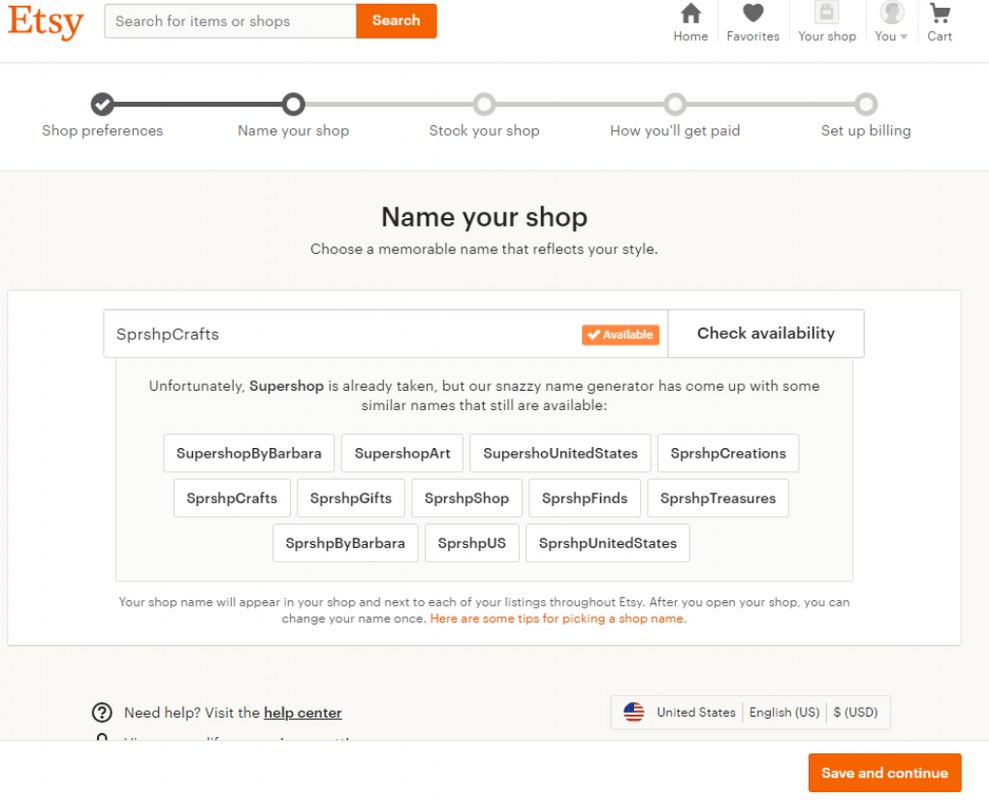
You can sell online through your website or platforms like Etsy and Amazon Handmade. Marketplaces get you into a larger audience, but creating a website gives you control over branding and customer relationships.
You can also try platforms like Hostinger, IONOS, or Squarespace. These website builders are easy to use, have customizable templates, and include features like payment processing and inventory management.
Hostinger is a great option for building and managing your online food store. Its AI-powered website builder makes setup quick and easy, and it includes secure payments, marketing tools, and inventory management—everything you need to start selling food online step by step.
82% OFF Web Hosting (Includes an Exclusive 15% HostAdvice coupon + FREE domain)
Get up to 82% OFF Web Hosting when you use this exclusive HostAdvice c...
82% OFF Managed WordPress Hosting (Includes an Exclusive 15% coupon + FREE domain)
Save up to 82% on Hostinger Managed WordPress Hosting with this exclus...
74% OFF VPS Hosting (Includes an Exclusive 15% HostAdvice Coupon Code)
The biggest VPS discount from Hostinger you’ll find anywhere on...
74% OFF Managed Cloud Hosting (Includes an Exclusive 10% HostAdvice coupon)
Up to 74% off Managed Cloud Hosting. Includes an Exclusive 10% discount.
82% OFF Small Business Hosting (Includes an Exclusive 15% HostAdvice coupon)
Get up to 82% off Hostinger Small Business Hosting with this exclusive...
30 Days Money-Back Guarantee
30 Days Money-Back Guarantee
Don’t forget about visuals! Good food photography is key to showcasing your food. Use natural light, props, and angles that highlight your products. If needed, hire a professional photographer to make your food stand out.
With the right tools and some creativity, your online store can become a successful platform for your food brand. If you need a custom design, consider hiring a web developer.
Investing in the best web hosting is crucial for food businesses as it ensures your site loads fast when hungry customers are making decisions, processes transactions securely, and remains reliable during high traffic periods like holidays or when your products go viral.
Social media is a great way to promote your food brand and connect with customers. It helps you build awareness, engage followers, and drive traffic to your online store.
Choose the platforms your audience uses most. Targeting younger people? Try Instagram or TikTok. For a broader reach, Facebook might work better.
Post content that tells your brand story. Share high-quality photos, behind-the-scenes videos, and fun posts like polls or quizzes. Show how your food products are made and why they’re special.
Use social media to build a loyal community. Reply to comments and messages quickly. Chat with your followers and join popular conversations. Make your customers feel valued, and they’ll keep coming back.
With effort and care, social media can be a key step in selling food online.
Creating and Pricing Your Food Products
Now that your online presence is set, focus on what matters most—your food products. Create unique products, set fair prices, and package them well. Follow each step to sell food online successfully.
Product Development
Your products are the core of your online food business. They attract customers and bring them back. Perfect your recipes so they deliver high-quality results consistently.
Focus on taste, texture, and how they look. Test with friends and family, gather honest feedback, and improve.
Create unique products that stand out. Use seasonal ingredients, offer custom options, or introduce limited-edition specials to keep things fresh.
Write clear and simple product descriptions. Highlight what makes your products special, like flavor or visual appeal. Use words that spark curiosity and excitement. Whether you start small or scale to a commercial facility, make sure your products can be produced in bulk.
Pricing Strategies
Pricing is key to making a profit and being competitive. It’s a delicate balance between covering costs, being fair, and making sure you’re still earning enough money online.
Start by calculating the cost of ingredients, packaging, labor, and other expenses. This helps you calculate your break-even point. Look at what competitors charge to understand the market. Consider how your product’s quality, brand, and audience stand out.
Explore pricing models like cost-plus pricing (adding a profit margin), value-based pricing (charging for perceived value), or competitive pricing (matching market rates). Choose the one that fits your goals and helps you sell food online successfully.
Packaging and labeling are key to protecting your food products and making a good first impression. These are the first physical touchpoints customers have with your brand, so they need to be great.
Choose packaging that looks good, works well, and fits your brand identity. It should keep your products safe during shipping and create a positive unboxing experience.
Your labels must meet legal standards. Include nutritional facts, ingredient lists, allergen warnings, and net weight. Accurate labeling builds trust with customers and ensures safety. Trace the supply chain to back up your claims and show quality.
Once you start getting orders, it’s important to have a simple process. Manage inventory, process orders quickly, and focus on shipping food reliably to keep customers happy and coming back.
Monetize Your Business Designs with Zazzle
Transform your business artwork into over 1,300 customizable products on Zazzle. Designers earn royalties of 10-15% on each sale, with top creators making $1,000-$3,000 monthly.
Shipping food is key to your online food business. It affects how customers view your brand and how satisfied they are. A smooth delivery process leaves a lasting impression and builds trust.
Offer different shipping options to meet customer needs and budgets. Choices like standard mail, courier services, or local delivery give flexibility. Weigh speed, cost, and reliability when choosing a shipping provider.
Secure packaging is key to preventing damage. Use bubble wrap, packing peanuts, and insulated containers to protect food from bumps and temperature changes. Trace the supply chain for quality control.
Be clear about shipping costs. Calculate and share prices accurately. Offering free shipping above a certain order amount can drive sales. Navigating food law while maximizing customer experience ensures success. Keep it simple and surprise-free!
Tip Offer reliable, affordable, and efficient shipping options that ensure timely delivery and real-time tracking features. Consider using a third-party logistics provider or managing your own logistics.
Order Fulfillment
Efficient order fulfillment is key to happy customers and repeat business. It starts with receiving the order and ends with shipping food to the customer’s doorstep.
Use an inventory management system to track the supply chain and stock. Avoid overselling or running out of items by using tools like spreadsheets or software linked to your online store.
Keep the order process simple and fast. Use software to automate tasks or hire help during busy seasons to stay on top of orders.
Customer service matters. Answer questions quickly, handle problems with care, and always aim to go above and beyond. Navigating food law while maximizing efficiency will keep your business running smoothly and customers coming back.
Payment Processing
Safe and simple payment processing builds trust and makes shopping easy. Customers expect fast and secure transactions when they buy online.
Use trusted payment systems like Stripe and PayPal. These tools keep customer data safe and prevent fraud.
Give buyers options. Accept credit cards, debit cards, digital wallets, and bank transfers. More options keep customers happy and increase sales.
Promoting Your Online Food Business
Now that your products and shipping are ready, it’s time to promote your food business. Use smart marketing strategies, connect with customers, and tap into online and offline channels to grow your brand and attract buyers.
Marketing Strategies
Promoting your food business takes work, but the right strategies will help you reach your target market. Some work better than others, so choose what suits your goals.
Share content like blog posts, recipes, and videos that teach, entertain, and inspire your audience. Show off your expertise with helpful tips and product demos. This builds trust and keeps people coming back for more.
Social media is a powerful tool. Post engaging content that connects with your audience and tells your brand’s story. Combine organic posts with paid ads to reach more people and attract more customers.
Offer discounts, free recipes, or exclusive deals to grow your email list. Use email marketing to share updates, launch products, or announce special offers.
Platforms like Google Ads and social media ads can help you target specific groups and drive traffic to your online store. Paid ads are great for new customers.
Join farmers’ markets, host pop-ups, or partner with local businesses. These face-to-face opportunities build trust and connect you with your community.
Each of these strategies will help you market your food business effectively and grow your customer base.
Create curated business product collections and earn commission on every sale through Kit. Influencers earn $100-$1,000 monthly by sharing products they love with their audience.
Building strong customer relationships is key to growing loyalty and repeat business. A good experience will keep customers coming back.
Ask customers to leave reviews and share their thoughts about your food business. Positive testimonials build trust and attract new buyers.
Create loyalty programs to reward repeat customers and encourage future orders. Offer perks like discounts, early access to new products, or custom rewards.
Connect with customers on a personal level. Use their name in messages, send birthday wishes, and tailor offers to their preferences. These small gestures show you value their support and build long-term relationships.
Happy customers are the heart of a successful online food business!
Top Sites to Sell Food Online
There are many platforms to sell food online. Each has its pros and cons, so choose based on your goals and target market.
Online Marketplaces
Platforms like Etsy and Amazon Handmade connect you to large, ready-made customer bases. Etsy is perfect for handmade or vintage food items. Amazon Handmade lets you tap into Amazon’s huge reach, making it easier to find buyers.
Using a platform like Shopify lets you create your online store. Shopify gives you tools to customize your website, manage inventory, and integrate marketing. An online store gives you full control over branding and customer experience.
Local farmers market websites and food delivery platforms are great for selling food to specific audiences. Farmers’ market websites let you connect with people in your area. Food delivery platforms handle logistics and help you reach a larger market.
Whatever you use, a marketplace, your store, or specialty platforms, each helps grow your online food business.
Conclusion
Selling food online from home is rewarding and profitable.
Now you know how to start a food business from home. Follow the laws and regulations, create a strong brand, and market your food products effectively. Don’t forget food safety, great customer service, and flexibility.
With hard work and passion, and by following the rules for selling food from home, it’s only a matter of time before your online food business takes off.
Ready to turn your homemade food into a business? Start strong with a polished, secure, and reliable website. Browse our top picks of the best website builders to create a professional online store and start growing today.
HostAdvice.com provides professional web hosting reviews fully independent of any other entity. Our reviews are unbiased, honest, and apply the same evaluation standards to all those reviewed.While monetary compensation is received from a few of the companies listed on this site, compensation of services and products have no influence on the direction or conclusions of our reviews. Nor does the compensation influence our rankings for certain host companies.This compensation covers account purchasing costs, testing costs and royalties paid to reviewers.