


The online footwear market is booming with global sales expected to reach $530.3 billion by 2027. If you’re looking to step into this lucrative industry, you’re in the right place.
This guide will walk you through everything you need to know about selling shoes online.
Launch Your Online Shoe Store With the Top Website Builders
| Provider | User Rating | Best For | |
|---|---|---|---|
 | 4.6 | Beginners | Visit Hostinger |
 | 4.4 | Pricing | Visit IONOS |
 | 4.2 | Design | Visit Squarespace |
Understanding the Online Shoe Market

The footwear industry has become more digital. Sales have gone beyond brick-and-mortar stores. In 2022, a study found that 74% of shoe purchases were already made online. And the trend shows no signs of slowing down. Therefore, shoes are one of the best products to sell online.
Current Market Size and Projections
The global footwear market is currently valued at $406.5 billion. Different factors are driving this growth. Changing fashion trends and increasing disposable income are chief among these. The convenience of online shopping is another factor for growth.
Types of Shoes to Sell Online

There are different shoe types. It is an important consideration before starting your business.
- Casual shoes: Sneakers, loafers, and slip-ons fall into this category. They are popular choices for everyday wear.
- Athletic shoes: Running shoes, training shoes, and sport-specific footwear cater to fitness enthusiasts.
- Formal shoes: Think of dress shoes, oxfords, and brogues. They appeal to professionals and special occasion shoppers.
- Outdoor shoes: In this category, you’ll find hiking boots and trail shoes that target adventure seekers.
- Specialized shoes: Vegan-leather shoes, orthopedic footwear, and safety shoes for specific professions.
- High-end designer shoes: Luxury brands and limited-edition releases for fashion-conscious consumers. They are often more expensive.

Getting Started: Essential Steps
Selling shoes online takes careful planning. Starting without a plan is a mistake. If you plan to figure it out as you go, you’re not ready to succeed. Here are the key steps to get started the right way.
Defining Your Niche and Target Audience
Finding a specific market segment is key. It helps you stand out in the crowded online shoe industry. Study customer likes, current trends, and gaps in the market. Your niche could be anything. Just ensure it is in demand.
Sourcing Your Shoes

There are several options for sourcing shoes to sell online:
- Manufacturing: If you have your own designs, work with a manufacturer to create your brand. This option gives you full control. However, it requires more investment.
- Wholesaling: You buy shoes in bulk from wholesalers. This can save costs, but you will need storage space and some initial investment.
- Dropshipping: This low-risk option lets you sell shoes without keeping stock. The supplier handles the shipping. When a customer orders, the product is sent straight to them.

Setting Up Your Online Presence
You have two main options to sell shoes online. The first is to create your own online store. Your second option is to use established marketplaces.
Building your online store gives you complete control over branding and customer relationships. You will need to do more marketing to drive traffic.
Using an established online marketplace like Amazon provides instant access to a large customer base. However, it comes with more competition and platform fees.
Building Your Own Online Shoe Store
If you decide to create your online shoe store, here’s what you need to know:
Building Your Online Store: Choosing the Right Platform
Hostinger, IONOS and Squarespace are popular platforms or building and hosting websites to sell online. The ease of use and customization options are important factors to note. Also, don’t forget to look into pricing. Read more on how to build an e-commerce website.

Designing Your Store

A user-friendly design helps you convert visitors into customers. Key elements of an effective shoe store layout include:
- High-quality product images
- Clear navigation and search functionality
- Mobile responsiveness
- Secure checkout process
Product Photography and Descriptions

Visuals are important for you to sell shoes online. Invest in professional-quality photos that showcase your shoes from many angles. Write compelling product descriptions that highlight features, materials, and benefits. Use keywords to improve search engine visibility.

Squarespace: Best Website Builders for Design
Setting Up Payment and Shipping
Choose reliable payment gateways to ensure smooth transactions. Develop a clear shipping strategy. Consider factors like shipping costs, delivery times, and international shipping options.
Selling on Established Marketplaces: Top 16 Websites
Leveraging existing marketplaces can jumpstart your online shoe business. Here are the top 16 websites to sell shoes online:
- Amazon
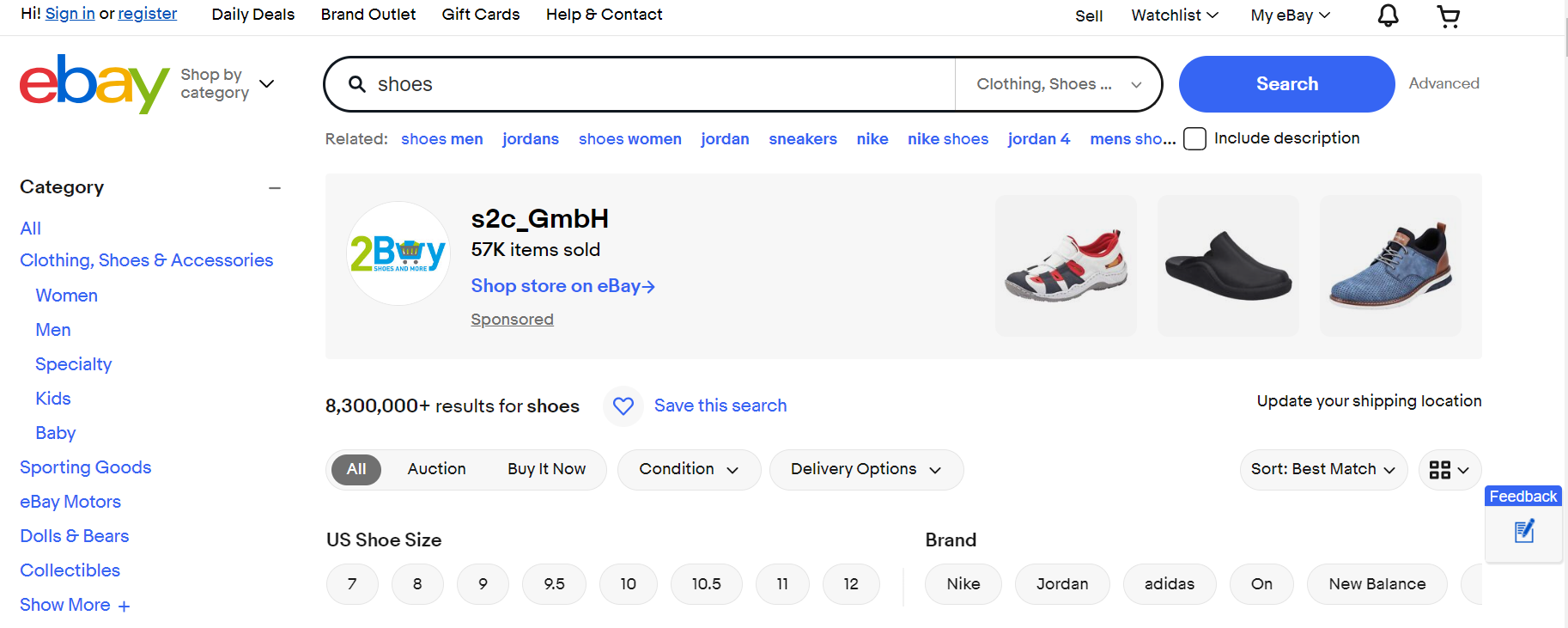
- eBay
- Etsy
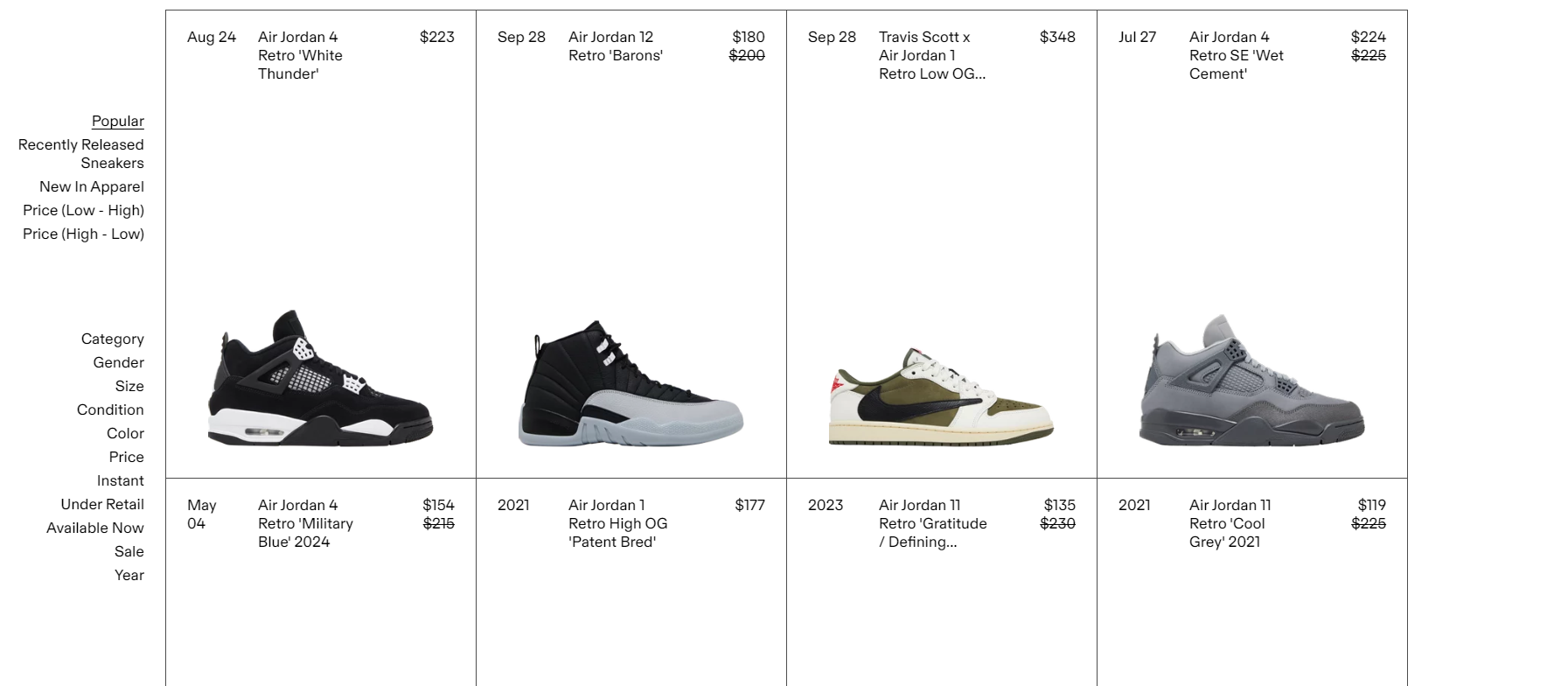
- StockX
- GOAT
- Poshmark
- Depop
- Mercari
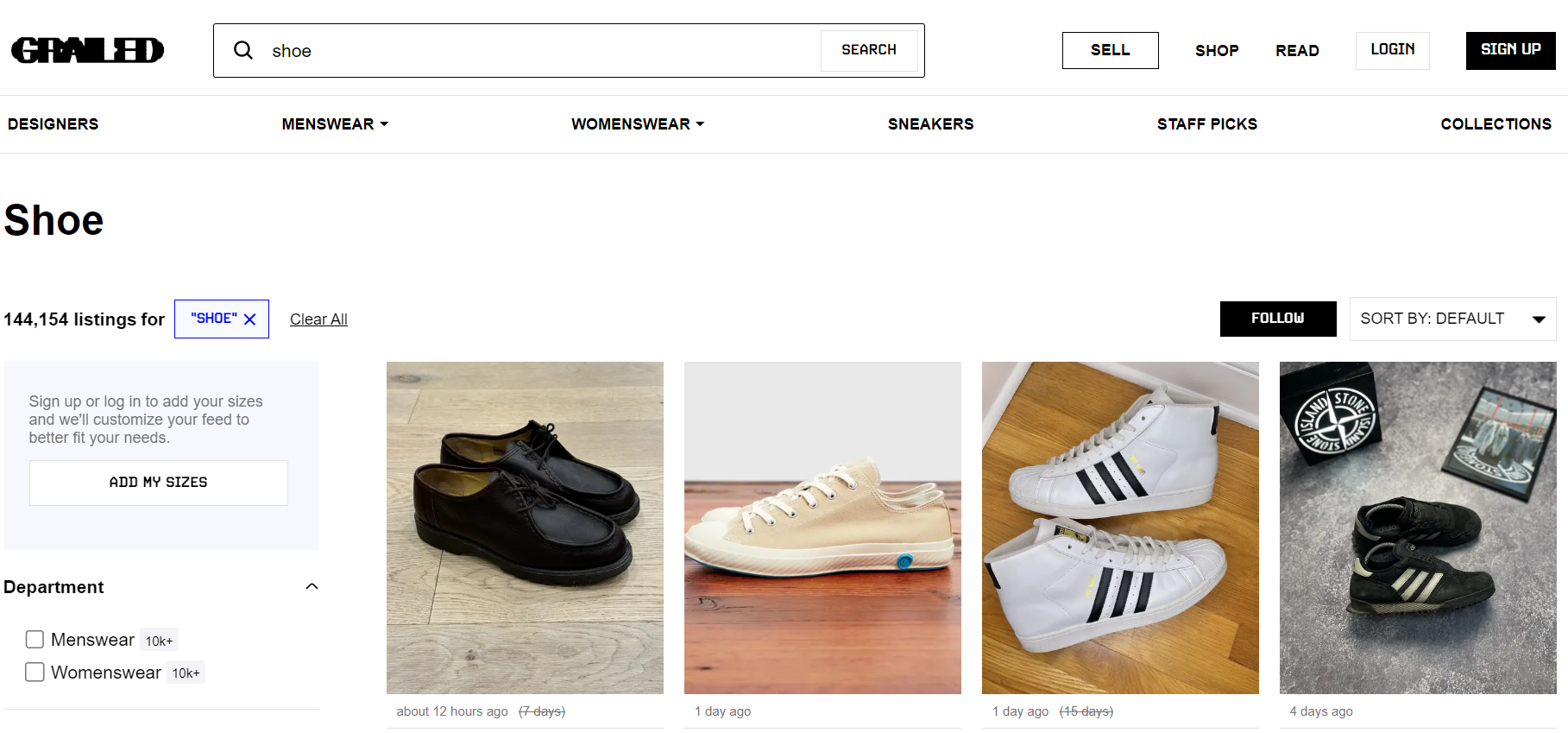
- Grailed
- The RealReal
- Vestiaire Collective
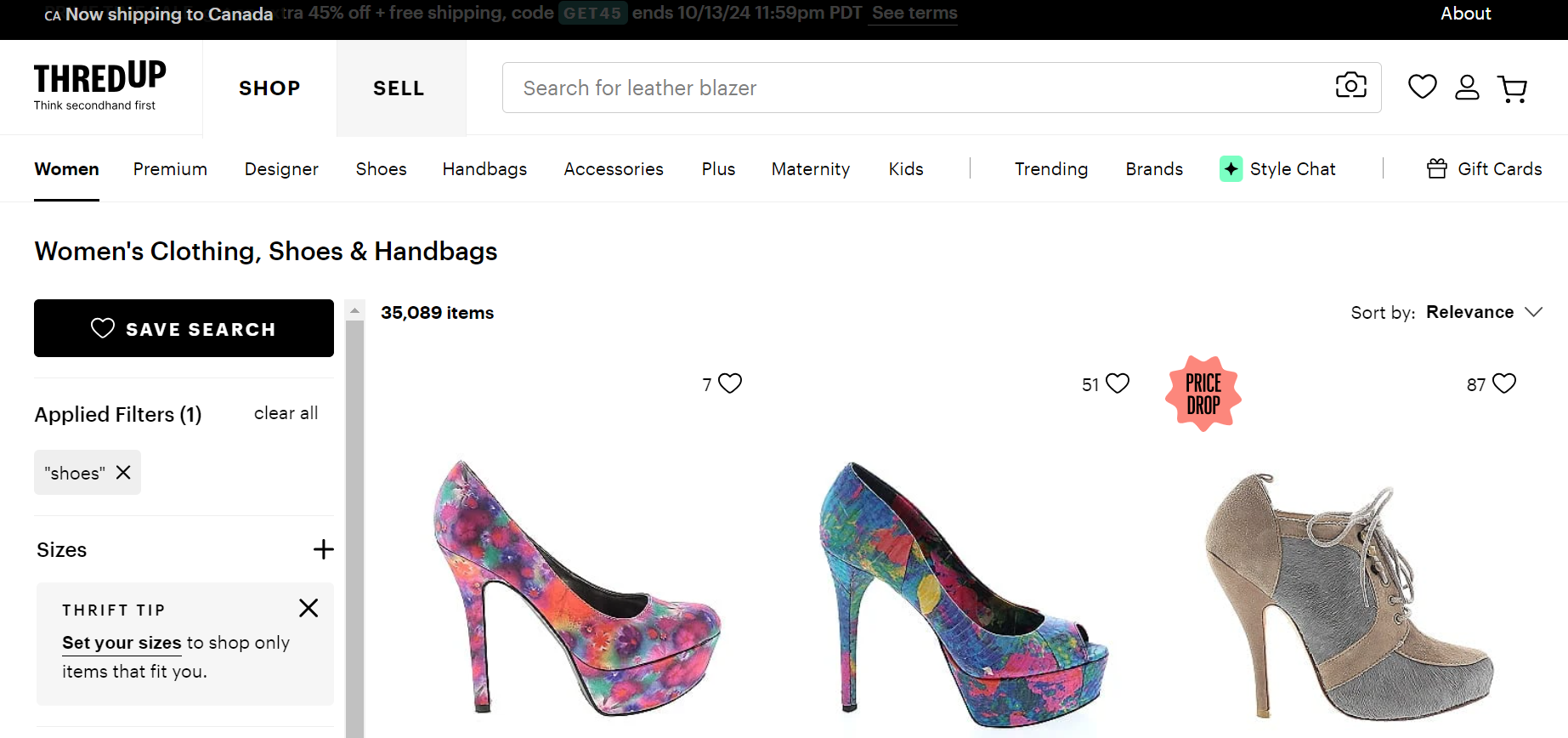
- ThredUP
- Heroine
- Stadium Goods
- Flight Club
- Kixify


Each of these options has its strengths and weaknesses. For example, Amazon offers unparalleled reach. However, there is stiff competition. StockX, conversely, specializes in sneakers and streetwear. This means it’s great for selling limited-edition releases.
Consider the types of shoes you’re selling and your target audience. These two help you identify the ideal marketplace.
Research fees, listing requirements, and seller policies for each marketplace. This helps you determine the best fit for your business.
Marketing Your Online Shoe Business
You cannot sell shoes online without adequate marketing. Effective marketing is important. It helps you attract customers and grow your online shoe business. Here are some key strategies to consider:
Social Media Marketing

Social media is growing. The good news is that you can use it to your business’s advantage. Use social media platforms like Instagram and Facebook to display your shoes. These sites also let you interact with potential customers. They also allow you to engage with potential customers. Create appealing content that highlights your products and brand personality.
Influencer Partnerships
Your online shoe-selling business can grow by partnering with the right influencers. Collaborate with fashion and lifestyle influencers to increase your brand’s visibility. Focus on those whose followers match your target market.
Offer free products or a commission on sales to incentivize influencers. Ensure that any partnerships comply with relevant advertising regulations.
Email Marketing

Emails are still relevant. Email outperformed SMS marketing and banner ads by more than 100% in 2023. Build and segment your email list to deliver targeted campaigns to customer groups.
Write email content to showcase new arrivals, promos, and style inspiration. Use automation to send personalized recommendations based on customers’ browsing and purchase history.

Search Engine Optimization (SEO)
SEO is all about getting seen in search results. You need to optimize your product listings and web content for search engines. This helps improve organic visibility. First, research relevant keywords. After that incorporate them into your product titles and descriptions.
Create informative content optimized for search engines. Some options are shoe care guides or style tips. Such content attracts potential customers and establishes your brand as an authority.
Want to dive deeper into SEO strategies? Check out these articles:
Pricing and Profitability

Setting the right prices is crucial to the success of your online shoe business. This is one of the most common mistakes e-commerce businesses make. Here’s how to approach pricing and maximize profitability:
Determining Your Pricing Strategy
When setting prices for your online shoe-selling business, think about product cost and competitor prices. Your target market is another key factor. A competitive price can attract budget-conscious shoppers. Premium prices work for high-end or unique shoes.
Research what customers are willing to pay for similar products. Include all costs, like shipping and marketing, when deciding on your final prices.
Managing Costs and Maximizing Profits
To increase profit margins, find ways to reduce costs without compromising quality. There are different ways to do this. Negotiating better rates with suppliers is one. Optimizing your shipping process is another.
You may also automate repetitive tasks to save time and resources. Use upselling and cross-selling strategies to encourage customers to buy more.

Hostinger: Top Website Builder for Beginners
Customer Service and Retention

Excellent customer service is essential for any business. Great e-commerce customer service builds a loyal customer base. It also helps ensure the long-term success of your online shoe business.
Providing Excellent Customer Support
Respond to customer questions quickly and professionally. Be ready to explain things like sizing, materials, and shipping details. Adding a live chat feature on your website can be game-changing. You can provide instant support to shoppers. This boosts customer satisfaction and may lead to more sales.
Handle returns and exchanges fairly. A clear, customer-friendly return policy can actually encourage purchases. This is because it reduces the risk for buyers. Make sure your return process is straightforward and hassle-free. Offer free returns if possible. It can be a major selling point for online shoe shoppers.
Train your customer service team on your products and policies. They should be able to handle different inquiries and issues. Every interaction is a chance to strengthen customer relationships and build brand loyalty.
Building Customer Loyalty
Implement a loyalty program to reward repeat customers. This could include points for purchases or early access to new releases. A well-designed loyalty program encourages repeat purchases. It can also turn occasional buyers into brand advocates.
Encourage customers to leave reviews. Showcase positive feedback on your website and social media. Respond to all reviews, both positive and negative. It shows that you value customer feedback. Addressing negative reviews constructively can turn around a potentially damaging situation. Use it to show your commitment to customer satisfaction.
Create a community around your brand. This could be through social media groups, forums, or events. Engaging with customers beyond transactions can foster a sense of belonging. People want to feel seen and heard. It also improves customer loyalty to your brand.
You might like to learn how to add Google reviews to your website.
Scaling Your Shoe Selling Business
With a solid foundation, it’s time to grow. Scaling your business requires careful planning and strategic execution.
Expanding Your Product Line

Add complementary products like shoe care items, socks, or accessories. This increases your average order value. It also provides more value to your customers. If you sell high-end leather shoes, you can offer premium shoe polish and care kits.
Explore new shoe categories that align with your brand and target audience. However, make sure any expansion aligns with your brand identity.
Don’t stretch your resources too thin. When expanding, start small and test the market. Use pre-orders or limited releases to gauge interest before making significant inventory investments.
Automating Processes
As your business grows, automation becomes crucial. Use inventory management software to track stock levels and automate reordering. This can help prevent stockouts and overstock situations.
Chatbots can handle basic customer service inquiries; use them. It frees up time to focus on more complex issues. However, chatbots shouldn’t replace human customer service entirely. Nonetheless, they can handle many routine questions efficiently.
Marketing automation works with email campaigns too. You can automatically send personalized email recommendations based on customer browsing and purchase history. This can significantly increase engagement and sales without requiring constant manual effort.
Look into automating your social media posting and engagement. Tools like Hootsuite or Buffer can be helpful. They help you maintain a consistent social media presence.
Legal Considerations
Any business, online or offline, must comply with government policies and regulations. It is essential for running a successful and legitimate online shoe business. Ignoring these aspects can lead to costly penalties and damage brand reputation.
Understanding E-commerce Regulations

Familiarize yourself with online selling laws. Don’t limit your understanding to your jurisdiction alone. Be sure to understand what applies in any markets you’re selling to. This includes regulations around consumer rights and data protection. Product safety standards are also important. In the EU, for instance, you need to comply with GDPR regulations.
Be aware of regulations regarding product descriptions and advertising. Claims about your shoes must be truthful and verifiable. This helps avoid issues with consumer protection agencies.
If you’re dropshipping or importing, comply with relevant import regulations and customs requirements. This includes proper labeling and documentation for your products.

IONOS: Best Affordable Website Builder
Protecting Your Business

Get the right insurance to keep your business safe from risks. This includes plans that cover general and product liability. It is an additional cost. But it can protect you from big losses if something goes wrong.
If you’re starting your own shoe brand, trademark your name and logo. This keeps others from using them and helps protect your brand. It keeps your brand identity safe and can be crucial as your business grows.
Create clear terms and conditions for your website. It should cover aspects like pricing, shipping, returns, and privacy. Get a legal professional to review it. It ensures they’re comprehensive and compliant with relevant laws.
If you collect customer data, your privacy policy must be clear. Specify how this information is gathered, used, and protected. This is a legal requirement in many jurisdictions. It also fosters trust among your customers.
Advanced Marketing Strategies
As your business grows, explore more sophisticated marketing strategies to stay ahead.
Content Marketing

Create a content marketing strategy to attract and engage potential customers. This could include blog posts on shoe care tips or the most recent footwear trends. High-quality, informative content can help boost your SEO. It also keeps customers returning to your website.
Consider creating video content showcasing your shoes. Unboxing videos or behind-the-scenes looks at your business can be engaging.
Retargeting Campaigns
Retargeting ads can be helpful. Use them to reach customers who showed interest in your products but haven’t bought yet. These ads remind potential buyers of the shoes they looked at. This increases the chances they will finish their purchase.
Affiliate Marketing
Affiliate programs can be helpful. It is a simple and effective way of having multiple people promote your wares for commission. Create an affiliate program to incentivize bloggers and influencers to promote your shoes. This can expand your reach and bring in new customers.
Collaborative Collections
Collaborate with other brands or influencers to create limited-edition shoes. These collaborations can create buzz and bring new customers to your brand. Familiarize yourself with the concept of co-marketing.
Sustainability in the Shoe Industry

A guide on how to sell shoes online is incomplete without mentioning sustainability. Consumers are becoming increasingly environmentally conscious. You need to find ways to make your shoe business more sustainable.
Eco-Friendly Materials
Make your shoes with sustainable materials. Highlight these eco-friendly credentials in your product descriptions and marketing materials.
Ethical Production
If you’re manufacturing your shoes, make your production process ethical and environmentally friendly. This could be a significant selling point for conscious consumers.
Circular Economy Initiatives
Implement a shoe recycling program for end-of-life disposal. You may partner with organizations that repurpose old shoes. This helps the environment and can enhance your brand image and customer loyalty.
Leveraging Technology
Technology can help you stay ahead. Incorporating the latest technology into your online shoe business makes business sense.
Augmented Reality (AR) Try-Ons
AR technology allows customers to virtually “try on” shoes with their smartphones. This can significantly reduce return rates and improve customer satisfaction.
Artificial Intelligence (AI) for Personalization
Use AI algorithms to provide personalized product recommendations. These recommendations are typically based on customer browsing history. It can improve the shopping experience and increase sales.
Blockchain for Authenticity
If you’re selling high-end or limited-edition shoes, use blockchain technology. It adds a layer of trust as people can verify the authenticity of your products. This can be a major selling point for collectors and enthusiasts.
Conclusion
Selling shoes online can be a profitable venture if carefully planned. Knowing how to sell shoes online is about being able to choose the right platforms and pricing strategically. The key to success is to continuously adapt to market trends and customer needs.
Success in the online shoe business requires patience and persistence. It doesn’t happen overnight. Stay focused on providing value to your customers. With the insights provided, you’re equipped to navigate the world of online shoe sales. Lace-up your entrepreneurial shoes and start selling shoes online. Happy selling!

Next Steps: What Now?
- Research the market and identify the types of shoes in demand
- Decide on your preferred business model (manufacturing, reselling, or dropshipping)
- Create a detailed business plan, outlining goals, costs, and timelines
- Build your e-commerce website or join established marketplaces to start selling
Further Reading & Useful Resources
- How to Make Money Online Hassle-Free Today
- How to Create a Website: Empower Your Digital Presence
- Business Models in E-commerce
- The Cost of E-commerce Websites
- Guide to E-commerce Shipping Solutions
- Word-of-Mouth Marketing: Definition, Strategies, and Examples
- The Challenges of E-commerce and How to Overcome Them

