


If you own a business, you must learn to upsell and cross-sell. Upselling and cross-selling are marketing strategies that aid income generation and enhances customer satisfaction.
Though both terms are similar, they have several differences. This article will explain upselling and cross-selling in detail. You’ll also learn about their benefits and ways to apply them in business.
Upselling and cross-selling work best when your website is designed to showcase complementary products and increase average order value. Check out our recommended website builders to create a conversion-optimized site.
Best Website Builders to Implement Upselling and Cross-Selling
| Provider | User Rating | Recommended For | |
|---|---|---|---|
 | 4.6/5.0 | Beginners | Visit Hostinger |
 | 4.4/5.0 | Pricing | Visit IONOS |
 | 4.2/5.0 | Design | Visit Squarespace |
What is Cross-Selling?

As a marketer or e-commerce seller, you can practice this. Your customer success manager only needs to recommend useful items. For instance, fashion brands help customers “complete the look.” Here’s how.
When someone selects a shirt, the website suggests matching cufflinks or briefcases. These recommendations make the buyers picture themselves in an attire.
They’ll most likely buy the extra items if they can afford them. But to succeed, you must recommend relevant items. This way, you can convince your customers that your cross-sell deals are good.
What is Upselling?

Upselling involves sales reps prompting buyers to pick a pricey product. It’s mostly the newer version. Imagine someone enters a phone store and requests an iPhone 14. The mobile phone retailer can advertise an iPhone 16.
They’ll compare both iPhones, highlighting the latter’s better features. The existing customer may then consider purchasing an iPhone 16. This strategy can work with any product.
Upselling inflates the value of sales. The strategy is to point out the pros of a costlier product. For example, an appliance seller can upsell a blender. To upsell, the seller advertises one with a warranty.
If you learn to upsell, you’ll increase spending per transaction and customer loyalty. More spending equals more money for you. You’ll also provide quality products that meet customer needs. So now we’ve answered the question, “What is upselling and cross-selling?”
Key Differences Between Upselling and Cross-selling
| Upselling | Cross-selling |
| ✓ Sells a higher-priced or upgraded version of the same product | ✓ Sells related products alongside the main product |
| ✓ Increases revenue through the sale of a higher product | ✓ Increases revenue through increased quantity of products sold. |
| ✓ Often done during the product selection stage | ✓ Usually during the checkout stage or after purchase |
| ✓ Focus on a single product | ✓ Focuses on multiple products |
Marketers and sales professionals use both strategies to increase income. Although they share a goal, both practices take different approaches. Upselling enhances sales value through upgrades.

However, cross-selling increases the number of items purchased. While upselling focuses on one product, cross-selling deals with many. Both strategies work for individuals with different intentions.

Due to this, marketers upsell to customers who desire the best. They also target cross-selling to those who love having it all.
Key Benefits of Upselling and Cross-selling
Marketers upsell and cross-sell because of the advantages it holds for them. But, these strategies also benefit the buyer. Here’s how upselling and cross-selling help customers and businesses.
For Customers:
- Reduced decision fatigue: Buyers often find recommendations from sales experts helpful. They don’t have to look through various options and decide. Moreover, these sales techniques influence informed decisions.
- Personalized shopping experience: Upselling and cross-selling emphasize individuality. Marketers recommend items that suit the buyer’s taste. An apt suggestion helps customers to enjoy a personalized shopping experience.
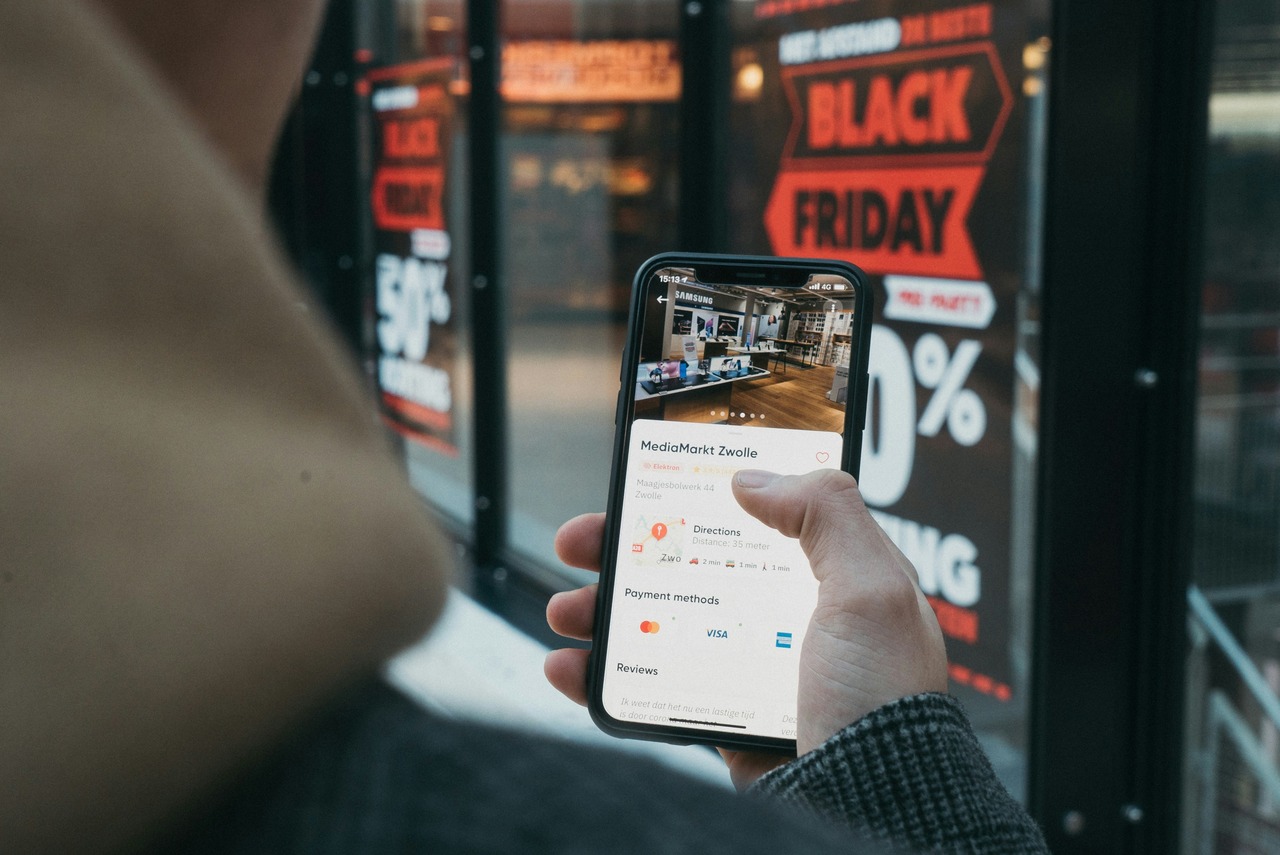
- Time-saving: If you shop alone, you’ll spend more time searching for items. But with cross-selling and upselling, they pick and present you with the best options. Hence, the decision-making process is faster.

For Businesses:
- Increased revenue: Business owners can earn more. When customers buy expensive items or increase purchases, there are more sales. As a result, their income level increases, leading to business growth.
- Improved customer satisfaction: Cross-selling and upselling increase customer satisfaction. Satisfaction influences customer retention in business. Moreover, loyal customers will bring recurring sales revenue. They’ll also refer people to enhance your customer churn.
- Enhanced brand reputation: Convincing customers to buy quality items promotes your brand. Shoppers who enjoy a positive experience will develop trust. This trust leads to lasting customer relationships and a continuous sales cycle.
How to Implement Upselling and Cross-selling

Learning about upselling and cross-selling is easy, but practicing them is difficult. Hence, draft an efficient strategy to implement these sales techniques. Here is a breakdown of useful steps.


Identify Upsell Opportunities:
Here’s how you can know when to give recommendations:
- Analyze customer data: Study statistics of your customers’ purchase history. This analysis will help you know their buying patterns. You’ll know when to upsell and cross-sell when you understand how they buy.
- Understanding the customer journey: Identifying new and returning buyers helps personalize your approach. Understanding customers means you’ll know when to offer upgrades and complementary items.
- Use website analytics: Analyze your website’s analytics. This act will help you identify popular e-commerce products that you can cross-sell. For example, if customers who buy wigs buy a hot comb, you can recommend it as a cross-sell.
Create a Strategy:

Work with an outlined strategy to optimize marketing and sales.
- Develop personalized recommendations: Create customer segments based on their shopping behavior. Then, tailor your recommendations to suit each segment, increasing the chances of conversion.
- Offer relevant and complementary products: Whatever your strategy, always aim to add value. Don’t recommend irrelevant products because they cost more. Rather, find items that add genuine value or better quality.
- Use various channels: Use several channels to upsell and cross-sell your own products. Try email marketing, social media ads, and in-person interactions.
Implement and Monitor:

After implementing your strategy, track it to discover the most effective.
- Use tools like OptiMonk. OptiMonk customizes customer recommendations. It computerizes the process of upselling and cross-selling, thereby limiting human input.
- Track key metrics: Track sales metrics as customers buy better and complementary items. Check the Average order value (AOV), conversion rates, and customer lifetime value. These occasional checks reveal the effectiveness of your sales techniques.
- Keep optimizing: Analyze data and feedback to identify areas for improvement. Also, optimize your upselling and cross-selling techniques for the most impact.
Examples of Upselling and Cross-selling
Below are some practical examples of common ways businesses upsell and cross-sell.
| UPSELLING | Business Use Cases | How It Works |
| “Supersizing” meals at McDonald’s | Cashiers encourage customers to upgrade meals to larger sizes or opt for extra items. | |
| Premium phone models at gadget stores | Gadget retailers promote advanced models with better features like clearer cameras and longer battery life. | |
| Higher-tier subscription plans by streaming services | Platforms offer premium plans with added features like ad-free viewing, extra screens, and more. | |
| Displaying product upgrades on pages | Sites display more expensive alternatives for comparison to influence purchase decisions. | |
| Highlighting products with reviews | Sites use reviews and ratings as social proof to influence upgrades. | |
| Promoting free shipping above a threshold | Stores encourage adding more items to qualify for free shipping. | |
| Creating package deals | Creating package deals Brands bundle products (e.g., fragrance gift sets) to increase order value. | |
| CROSS-SELLING | Suggesting add-ons during food orders | Staff recommends extra items like chicken with fries to complete the meal. |
| Phone accessories for a new smartphone | Sellers offer cases and screen protectors as add-ons. | |
| Matching fashion accessories | Clothing brands suggest accessories to complete a look. | |
| Offering supplementary products | Example: Suggesting an ornament box when buying ornaments. | |
| Showing “Frequently Bought Together” combos | Online stores display commonly paired products to boost sales. | |
| Promoting what other customers bought | Brands use social proof by showing popular complementary purchases. | |
| Offering discounts for add-ons | Discounts apply to extra items only after a main purchase. |
Upselling Examples
Even popular brands and businesses upsell their products. Here’s how they do it:
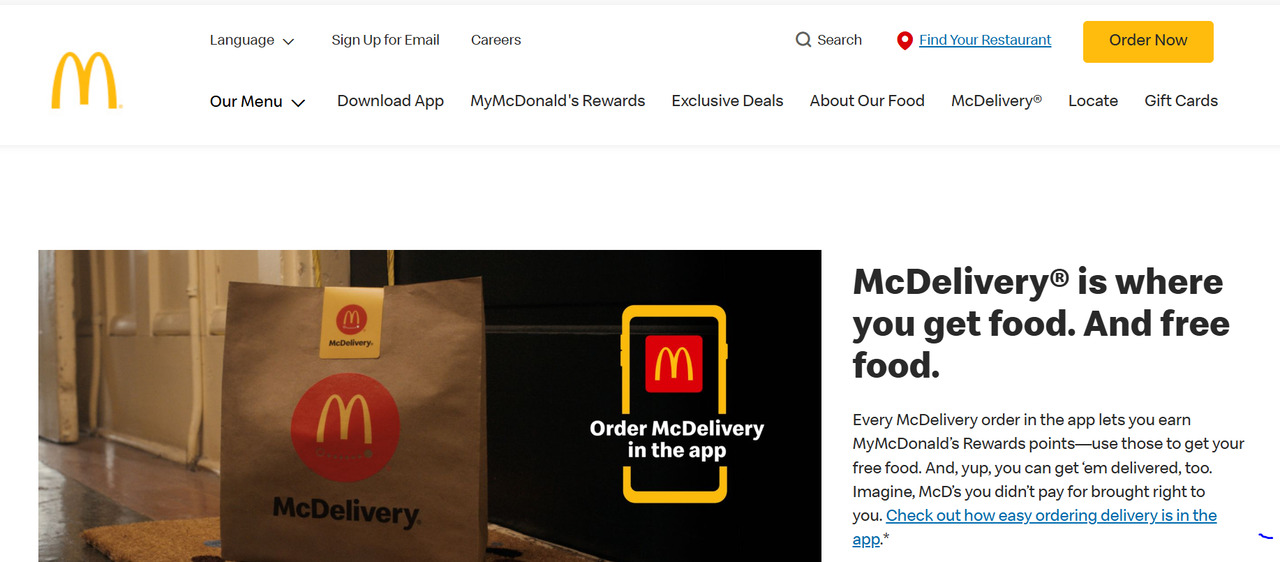
- “Supersizing” a meal at McDonald’s: McDonald’s cashiers encourage customers to upgrade meals. They can offer larger sizes or extra items like sauces or drinks.
- Offering a premium phone model with advanced features: Gadget retailers upsell phones by advertising advanced phone models to buyers. They encourage buyers to buy luxury devices with clearer cameras and long-lasting batteries.
- Suggesting a higher-tier subscription plan with more benefits: Streaming services do this. They convince users with higher plans that have more features.
- Offering upgrades on product pages: E-commerce stores suggest upgrades on their product pages. A common practice is to display expensive alternatives so the viewer can compare.
- Highlighting products with new customer reviews: Some platforms display reviews beside luxury products. Customer feedback works as social proof. It convinces buyers to upgrade their items. Home Depot, for instance, uses comparison tables with star ratings to upsell products.
- Creating package deals: Business owners upsell by offering package deals. They identify related products that people are likely to use together & market them. For example, Fragrance Outlet promotes “Gift Sets” to make customers buy bundled items.
- Promoting free shipping above a specific amount: Some brands offer free shipping for large orders. Customers order costly items or add more products to their cart to qualify. Some platforms notify users of how much they need to spend before enjoying free shipping.


Cross-selling Examples
Find below ways in which companies and brands cross-sell, including SaaS companies.
- Recommending orders: Here’s a common example. A staff member taking orders might suggest adding chicken to fries. This addition completes the meal and increases purchases.

- Suggesting a phone case and screen protector with a new smartphone: Here’s how sellers do this. When someone buys a new phone, the seller often asks to attach a protector and casing. This offer of accessories is valuable and protective.
- Offering matching accessories to complete a look: Fashion brands often suggest accessories. They help customers look classy by adding ideal items to complete their outfits.
- Recommending supplementary products: Supplementary items genuinely enhance value. Websites suggest things that enhance the value of the primary purchase. When someone shops for ornaments, the website can suggest an ornament box.
- Showcasing products bought together: This technique always works. Brands display popular product combinations to entice buyers to complete the combo. That’s why Amazon has a “Frequently Bought With” section on its checkout page.
- Promoting what other customers bought: Some customers like to follow the crowd. Businesses influence such people by showing them what others buy. Brands display these as extra purchases of others who buy the same item.
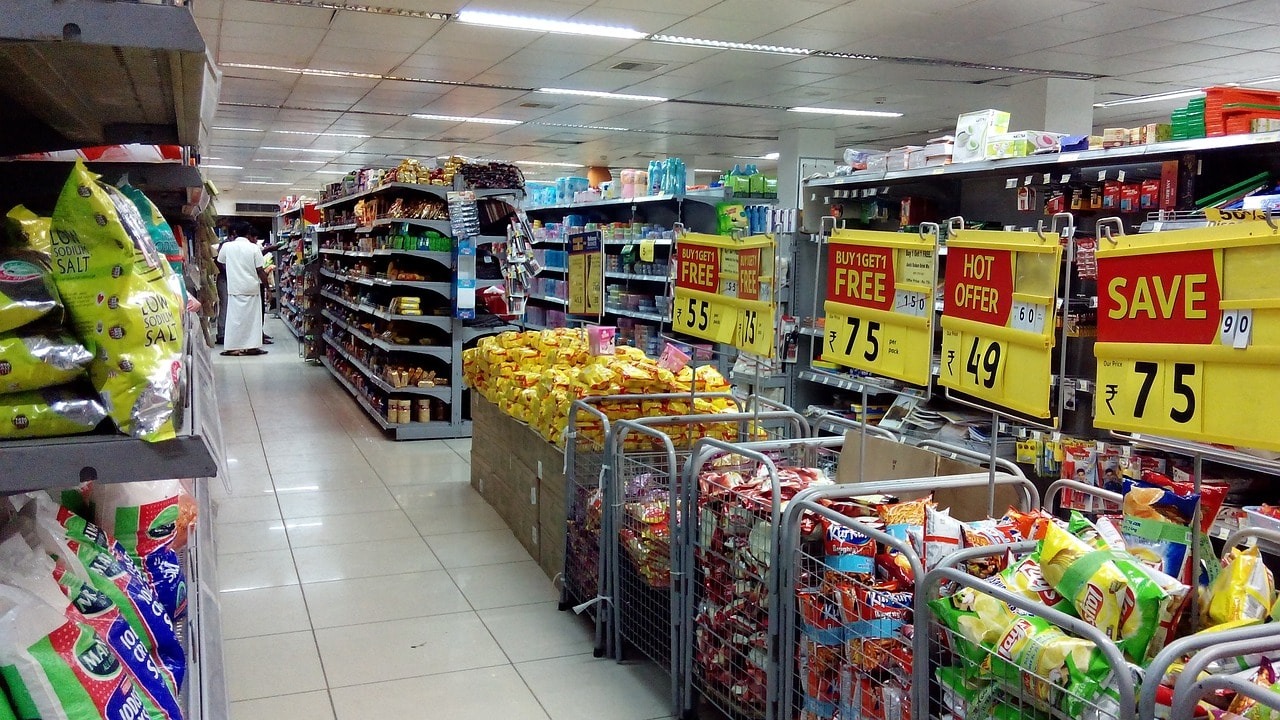
- Offering discounts for customer purchases: Marketers sometimes offer slashed prices. This discount helps cross-sell complementary items. But, buyers can only access the discount code after an expensive purchase.


Tools and Technologies for Upselling and Cross-selling
Upselling and cross-selling involve data analysis, studying existing customer behavior, and more. Since these actions are stressful, some tools automate them.
- Customer Relationship Management (CRM) software: CRM software like monday.com aids data analysis. This tool can help you categorize customers, making it easy to personalize recommendations. Your strategies will work better with a data-driven approach.
- E-commerce platforms: You can upsell and cross-sell on any online store. But choose one with features that give automatic recommendations. Platforms with plugins also help businesses make bundled offers.
- Personalization tools: Several tools, including OptiMonk, help customize purchase experiences. These tools tailor suggestions and market products using AI and machine learning algorithms. They are most often efficient in converting leads to sales.
- Analytics platforms: Sorting purchase statistics can be stressful. So Google Analytics and similar tools can handle this process. They simplify customer behavior, product performance, and other data. Analytic tools also track metrics, helping you identify functional strategies.

Best Practices for Upselling and Cross-selling
Besides knowing what upselling and cross-selling are, you must learn to apply them. So, here are upselling and cross-selling tips and practices:
1. Focus on Value, Not Price

Enlighten your customers about the value of the higher product alongside its advantages. Emphasizing these points proves to buyers that you’re not pursuing your gain.
Similarly, only cross-sell products that complement the initial purchase. That’s because they enhance customer experience.

2. Personalize Your Recommendations
Generic recommendations don’t always work. For example, vanilla and chocolate are popular ice cream combinations. But suggesting this to someone with a chocolate allergy won’t yield positive results.

Hence, it’s best to provide personalized product suggestions. You can do this with customer data and shopping history. Tailoring upselling and cross-selling suggestions proves your understanding of individual needs.

3. Use Visuals
Incorporate clear product visuals in your digital upselling and cross-selling strategy. Visuals showcase products’ appeal better than words. Customers can love products at first glance. When this happens, you don’t need to prompt them. They’ll take a look at the item and buy it.
4. Create a Sense of Urgency
Social proof has shown that scarcity promotes demand. So, when you upsell and cross-sell items, make them look like a limited edition. You can also offer exclusive deals that encourage buyers to make purchases.
If you do not know how to try this, here’s what to do. Offer a slashed price on a package cross-sell deal for a day.
5. Offer Bundles and Packages
Bundling similar products with a slight discount works like magic. This cross-selling strategy offers cheap deals for customers to buy add-ons. For example, a skincare bundle might include a toner, serum, and face cream.

6. Provide Social Proof
Include reviews, testimonials, and ratings beneath or beside your suggestions. They promote credibility & trust & encourage buyers to act. This positive feedback from satisfied customers shows your product’s value and benefits

7. Test and Optimize
Test and improve your upselling and cross-selling plans at intervals. Study useful data, get feedback, and perform sentiment analysis for your strategies. One benefit of sentiment analysis is that it reveals which approach is effective. With this, you can plan to upsell, cross-sell, and enjoy a profit boost.
How to Build a Professional Website That Drives Conversions
An online store is a great way to promote your upselling and cross-selling marketing tactics. With a website, you can confidently show off highly-priced or similarly related products to your customers.
With several website tools at your disposal, you can build a professional website that helps drive your conversion and revenue rate.
Above all, it’s important to choose a reputable hosting provider when making this decision. To avoid experiencing slow website speeds or questionable website authority, explore our list of hand-picked website builders to build a professional website curated just for your brand.
Conclusion
E-commerce businesses that need more income and customer satisfaction must upsell and cross-sell. These strategies are effective ways to grow a brand and establish trust.
Understanding and using them will increase customer lifetime value. It’ll also help you stand out in competitive markets. But you can personalize these strategies to make them work efficiently.
Learning digital marketing will help you improve your upselling and cross-selling game. Here are some digital marketing ideas to get you started!

Next Steps: What Now?
If you’re ready to put into practice all you’ve learned, here are actions to take:
- Draft out insight from consumer behavior and their buying patterns.
- Use your insights to categorize customers and personalize suggestions.
- Know when to cross-sell and upsell.
- Convince customers to buy goods with evidence of social proof.
Further Reading & Useful Resources
Looking for more ways to boost your e-commerce business? Read these resources:
- Explore the benefits of co-marketing for your e-commerce business.
- Learn from these exceptional digital marketing strategies.
- Understanding website analytics: Your key to a successful e-commerce strategy.

