


Ever been told you have a great voice? That smooth, distinctive sound could be your ticket to a lucrative side hustle or even a full-time income.
The digital revolution offers many chances for voice talent. This includes work for podcasts, using your voice to create audiobooks, commercials, and more.
This guide shows you exactly how to turn your voice into cash.
Best Website Builders to Showcase Your Voice Talent Online
| Provider | User Rating | Recommended For | |
|---|---|---|---|
 | 4.6 | Beginners | Visit Hostinger |
 | 4.4 | Pricing | Visit IONOS |
 | 4.2 | Design | Visit Squarespace |
Understanding the Voice-Over Industry
The voice-over industry has exploded in recent years. What used to be a closed field for a few has now become open to anyone.

With the right voice and determination, anyone can seize this opportunity to build a successful voice-over career.
Types of Voice Work Available
- Commercial voice-overs represent one of the most visible and lucrative segments. Every day, you hear voices selling products on radio, TV, and digital ads. These gigs often pay $150-500+ per project but require a conversational, persuasive delivery.
- Narration work encompasses everything from audiobooks to documentaries and corporate training videos. This sector demands clear diction and the ability to maintain energy through long recording sessions. Audio book narrators typically earn $100-400 per finished hour.
- Character voice acting brings animated characters to life in cartoons, video games, and commercials. This specialty needs great range and acting skills. It also requires the ability to create unique vocal personas quickly.
- IVR systems (those automated phone menus) and public announcements provide steady work for voice artists with clear, authoritative delivery. These jobs often lead to ongoing relationships with corporate clients.

- Podcast hosting has created another avenue for voice monetization. Podcasters can attract sponsors and build revenue with their engaging voices. Podcasts often provide a sense of community for lonely people, offering companionship and entertainment through conversation. This is different from traditional voice-over work.

Required Skills Beyond a Good Voice
A naturally pleasant voice is just your starting point. Professional voice actors need:
- Clear pronunciation and impeccable diction
- Emotional range to convey sincerity, concern, or authority
- Consistency in energy, pace, and tone throughout projects
- Basic audio editing knowledge
- Professional communication skills for client relationships
Want to know if your voice has what it takes? Keep reading.
Assessing Your Voice Potential
Understand the potential value your voice can offer in the marketplace before you invest time and money.

Identifying Your Vocal Strengths
Record yourself reading different types of content and listen objectively:
- Natural tone and timbre: Is your voice deep and authoritative? Warm and friendly? Youthful and energetic?
- Perceived age range: Some voices naturally sound younger or older than the person’s actual age. If you’re a teenager, your voice may be perceived as youthful and vibrant, which can be a valuable asset in certain types of voice work.
- Accent capabilities: A neutral accent has wide appeal. However, specific accents can be great for character work.
- Emotional conveyance: If you sound real in different emotions, it boosts your chances of getting booked.
Voice Types in High Demand
- Authoritative voices remain in constant demand for corporate videos, documentaries, and announcements. These voices convey trust and expertise.
- Conversational, relatable voices dominate modern commercials. Today’s advertisers want authentic-sounding people, not announcers.
- Character voices for animation and gaming offer creative opportunities. While competitive, this niche rewards those with exceptional range.

- Soothing voices find work in meditation apps, sleep stories, and relaxation content—a growing market as wellness becomes increasingly mainstream.
- Clear technical voices are key for e-learning, medical narration, and technical documents.
- A beautiful singing voice can open additional opportunities in jingles, theme songs, and musical projects.

But how do you capture that voice quality effectively? That’s where equipment comes in.

Essential Equipment for Voice Artists
You can start without a pro studio, but some basic equipment is a must for good recordings. Many successful voice actors ultimately invest in their own studio setup.
Basic Starter Setup
- USB microphone: The Audio-Technica ATR2100x-USB ($99) or Blue Yeti ($130) provide excellent quality for beginners
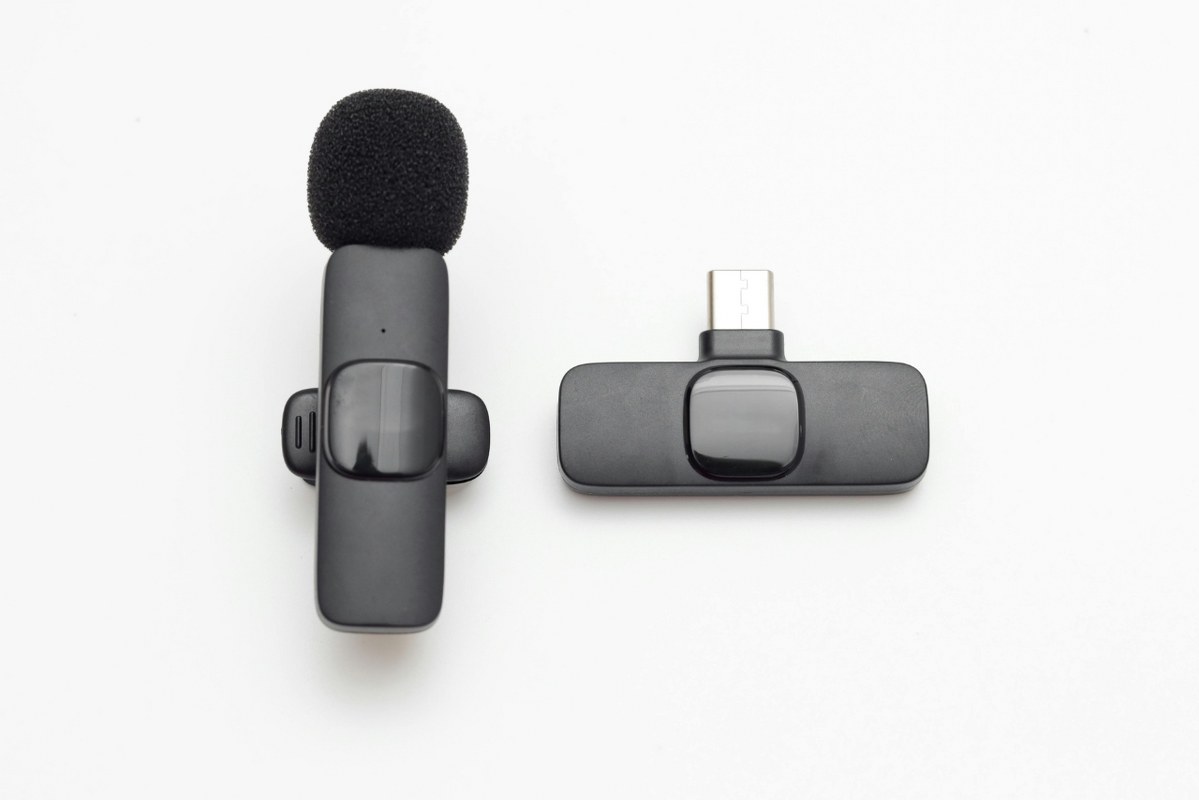
- Pop filter: Under $20 but dramatically improves recordings by preventing plosive sounds
- Shock mount: $20-40 to isolate your microphone from vibrations
- Closed-back headphones: Audio-Technica ATH-M20x ($49) offers good quality at an entry-level price
- Basic acoustic treatment: Record in a small, carpeted room or hang blankets on walls to reduce echo

Total investment for beginners: $200-300
Professional Setup Recommendations
As your career advances, consider upgrading to:
- XLR microphone: Rode NT1 ($269) or Shure SM7B ($399)
- Audio interface: Focusrite Scarlett Solo ($119) to connect professional microphones to your computer
- Advanced acoustic treatment: Portable vocal booths ($300-500) or dedicated foam panels ($100-200)
- Recording software: Free (Audacity) to professional (Adobe Audition at $20.99/month)
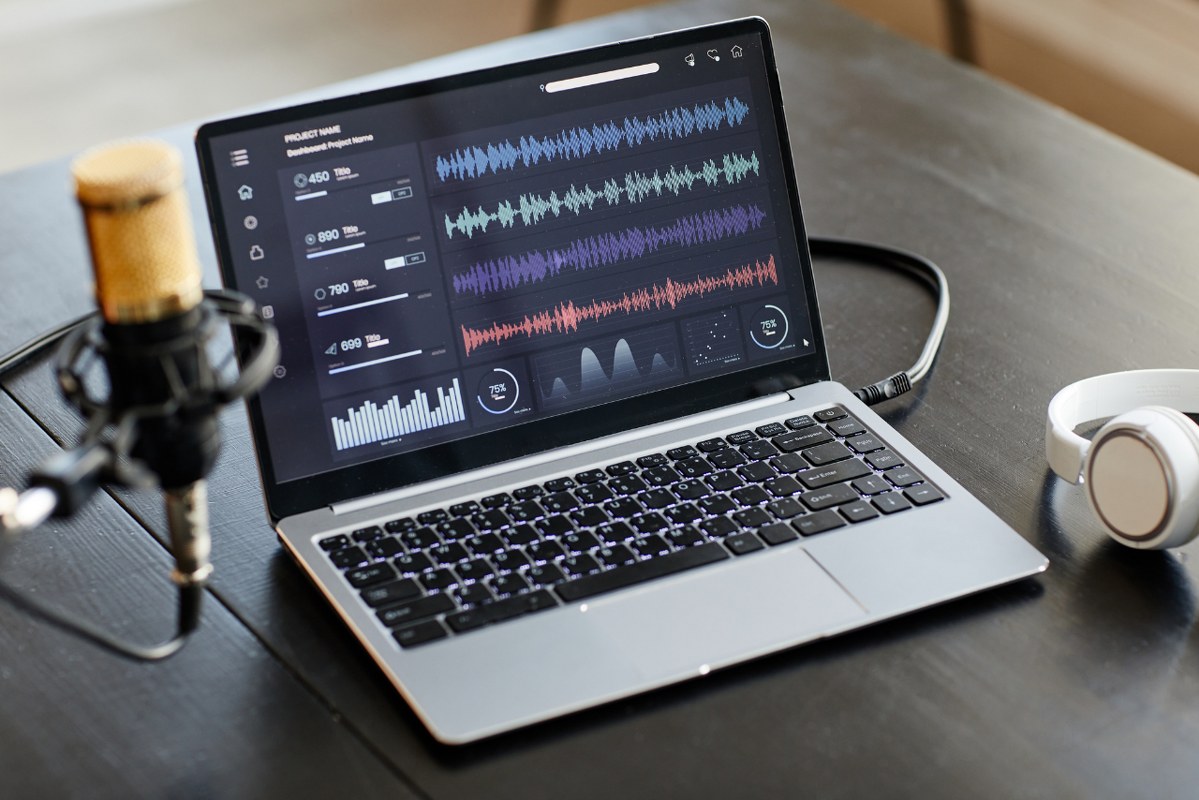

Total professional investment: $800-1,200
| Equipment Level | Essential Items | Approximate Cost | Suitable For |
|---|---|---|---|
| Beginner | USB Mic + Pop Filter + Headphones | $200-300 | First-time voice artists, hobby projects |
| Intermediate | XLR Mic + Interface + Basic Treatment | $500-700 | Part-time professionals, regular gigs |
| Professional | High-end Mic + Dedicated Space + Software | $1,000+ | Full-time voice artists, agency work |
Now that you have the equipment, you need to showcase your talent effectively.
Creating Your Voice Demo Reel
Your demo reel is your voice’s resume—the primary tool clients use to decide whether to hire you. Many voice actors develop a voice library of different styles and tones to showcase their versatility.
What to Include in Your Demo
- Keep it brief—30-60 seconds total
- Start with your strongest category (commercial, narration, character)
- Include commercial samples demonstrating both energetic and conversational approaches
- Add narration examples showcasing documentary-style delivery or storytelling abilities
- Include character demonstrations only if they’re genuinely strong
- Organize with smooth transitions between segments
Recording and Producing Your Demo

Create a standout voice demo by selecting scripts that align with market trends and showcase your versatility. Record in the best possible environment using high-quality equipment to ensure clarity.
Meticulous editing is crucial—remove breaths, mistakes, and background noise for a polished result. Use music beds sparingly, only when they enhance your performance without overpowering your voice.
The next step? Getting your voice heard by the right people.
Building Your Online Presence
In today’s digital marketplace, your online presence serves as your storefront and portfolio.
Creating a Voice Artist Website
Creating a dedicated website establishes your professionalism and gives clients a central location to hear your work. Include:
- Demo reel prominently featured on the homepage
- Portfolio organized by type (commercial, narration, character) and industry
- Rate sheet or general pricing information
- Booking system integration (like Calendly)
- Professional biography and testimonials


To build a professional website easily, think about using hosting services. They provide voice actor templates and audio portfolio tools. Choose the best web hosting options for services specifically designed for media professionals.
2. Leveraging Social Media for Voice Work
LinkedIn provides direct business connections for corporate and e-learning work. Create a profile highlighting your voice services and connect with production companies.

Instagram works well because of its audio features. Create short reels demonstrating different voice styles.
TikTok has become surprisingly effective for voice talent marketing. The platform’s audio-centric nature allows you to showcase your range to potential clients.
Share content like before/after processing demonstrations, character voice transformations, and quick tips for aspiring voice actors.
But where exactly do you find paying voice work? Let’s explore your options.
9 Top Sites to Find Voice Work
The digital revolution has built many platforms. These connect voice talent with clients. They offer various voice-acting jobs.
Freelance Marketplaces
If you want to enter the voice-over industry or grow your chances, picking the right platform is key.

Fiverr is a great starting point for beginners looking to build a portfolio, with earnings ranging from $5 to $500+ per project.
To stand out, make specific “gigs.” Define what you will deliver and specify the duration for completion. Remember, Fiverr takes a 20% cut from your earnings.
Upwork, on the other hand, is ideal for establishing ongoing client relationships.
Here, voice actors can earn $20 to $100+ per hour, and the platform’s sliding commission scale ranges from 5% to 20% based on lifetime billings. Crafting customized proposals for each project increases your chances of securing high-paying work.
For professional-level commercial voice-over jobs, Voices.com is a top choice, offering earnings between $100 and $2,500+ per project. Completing your profile 100% improves your ranking in search results, though you’ll need to invest in a $499/year membership.
Voice-Specific Platforms
Voice123 is a great choice for voice actors. It suits mid-level talent well. Projects there pay between $100 and $1,000 or more. Their SmartCast system helps match you with suitable auditions, and a subscription costs $395 per year.

If you want to focus on audiobook narration, check out ACX (Audiobook Creation Exchange). You can earn $100 to $400 for each finished hour. You can also choose a royalty share model. Starting with shorter books can help you build credibility and experience.
Bodalgo is a great option for international voice-over jobs. It’s especially strong in European markets. You can earn between €200 and over €1,000 for each project. Highlighting your language skills and accent capabilities can boost your visibility.
While the platform offers a basic free membership, premium options provide additional benefits.
Casting Websites
For those interested in casting websites, Casting Call Club is perfect for character voice work in animation and gaming. You can earn $50 to $500+ per project. It’s a great way to strengthen your portfolio. Membership is free, and premium options are available.
Voice Bunny caters to experienced voice actors looking for premium clients, with earnings ranging from $200 to $1,000+ per project. The platform operates on an invitation-only model with an automated casting system and takes a 20% commission.

Voice Realm, meanwhile, simplifies the process by enabling direct client bookings without auditions. Voice actors can earn between $100 and $700+ per project, and while there are no subscription fees, the platform takes a 15% to 25% commission depending on the project type.
But how much should you charge? Let’s figure that out.
Setting Your Rates
Pricing your voice services appropriately ensures sustainability while remaining competitive.
Industry Standard Pricing Models
- Per-word pricing: $0.10-0.50+ per word, ideal for narration projects
- Per-finished-hour/minute rates: $100-500+ PFH for audiobooks and long-form narration
- Project-based flat fees: $150-2,000+ for commercials based on usage rights
- Royalty arrangements: Common in audiobooks and animation, providing ongoing income
Factors That Affect Your Rates

- Experience level: Beginners should focus on competitive rates to build portfolios
- Usage rights: A local radio spot warrants a lower fee than a national television commercial
- Project complexity: Technical terminology or character work should command higher rates
- Rush fees: Add 25-50% for expedited delivery

A big plus of voice work is that you can set your own hours. This flexibility is great for anyone who wants to work on their own schedule.
Once you’ve set your rates, you need to attract clients. That’s where marketing comes in.

Marketing Yourself as a Voice Artist
Consistent marketing efforts transform occasional gigs into a steady stream of income.
Creating a Personal Brand
Building a strong personal brand starts with defining your unique voice and brand identity based on your genuine strengths. Consistency is key—ensure your messaging remains uniform across all platforms to reinforce recognition and trust.
Showcase your credibility by collecting and displaying testimonials from satisfied clients, highlighting the real impact of your work.
Go a step further by creating detailed case studies of successful projects, demonstrating your problem-solving abilities, and establishing yourself as an expert in your field.
Outreach Strategies

- Develop cold email templates focusing on how your voice solves specific client needs
- Submit to agencies once you have professional demos and experience
- Direct marketing to production companies yields better results than contacting end clients
- Attend industry networking events like VO Atlanta or One Voice
- Connect with other voice actors to learn about opportunities and possibly collaborate
Want to take your voice career to the next level? Professional development is key.
Advancing Your Voice Career
Professional training ensures long-term success in this evolving industry.

Ongoing Training and Development
Continuous learning strengthens your voice skills and marketability. Voice coaching offers objective feedback to refine technique, while acting classes improve authenticity in performances.
Accent and dialect training broadens opportunities, making you more versatile. Enhancing technical skills boosts your value to clients, ensuring you stay competitive in the industry.

Proper training often sets apart casual voice workers from those who get steady, professional results. Investing in skill development pays dividends through higher-paying projects.
Looking to maximize your online income? Learn how to create multiple income streams online.
Conclusion
Your voice is a unique instrument with genuine market value in today’s content-hungry world. You can build a steady income by knowing the industry, honing your skills, making demos, and promoting yourself on the right platforms.
Barriers to entry are low, and demand for quality voice talent is rising. This trend spans podcasts, audiobooks, explainer videos, and more. Start small, invest in continuous improvement, and let your voice be heard—and paid for.

Next Steps: What Now?
- Record a sample of your voice reading different types of content to identify your strengths.
- Invest in a basic USB microphone and pop filter – you can start with just $150 of equipment.
- Create profiles on 1-2 beginner-friendly platforms like Fiverr and Casting Call Club.
- Record your first demo samples focusing on your vocal strengths.
- Start auditioning for small projects to build experience.
- Learn how to set up your first website to showcase your voice work professionally.
Further Reading & Useful Resources
- How to Make Money Online Hassle-Free Today
- 28 Legit Websites to Make Money Online (Side Hustle And Full-Time)
- How to Make $5,000 Per Month as a Freelancing Beginner (17 Proven Ways)
- How to Make Money on Social Media: From Likes to Earnings
- How to Start an Affiliate Marketing Blog and Make Money: Beginner’s Guide

