


You’re sitting in a strategy meeting, watching your competitors dominate search results while your brand struggles to stand out.
The frustrating part? Your product is genuinely better. But somehow, customers keep choosing the other guy.
Here’s the truth nobody tells you: winning isn’t about having the best product. It’s about owning the right space in your customer’s mind. Let us show you exactly how 17 brands mastered this game.
A strong website is one of the most effective ways to communicate your brand positioning clearly and consistently. The website builders in the table below can help you create a polished online presence that supports your messaging and strengthens your brand identity. See our recommended website builders here.
Top Website Builders for Strong Brand Positioning
| Provider | User Rating | Recommended For | |
|---|---|---|---|
 | 4.6 | Beginners | Visit Hostinger |
 | 4.4 | Pricing | Visit IONOS |
 | 4.2 | Design | Visit Squarespace |
What Is a Brand Positioning Strategy and Why It Matters
A brand positioning strategy is the deliberate process of creating a unique perception in your customer’s mind to differentiate your brand from competitors. Think of it as staking a claim in crowded mental real estate.
When potential customers think “electric vehicles,” Tesla owns that space. When they think “search,” Google dominates. This isn’t accidental. These brands engineered their market position through consistent, strategic messaging.
But here’s what makes brand positioning important beyond just recognition. It shapes how customers perceive your value proposition, influences their purchase decisions, and determines whether they’ll pay premium pricing or hunt for cheaper alternatives.
The Impact of Effective Positioning on ROI and Growth

The numbers tell a compelling story.
According to Harvard Business Review, companies with clear positioning achieve 27% higher ROI compared to those with vague messaging. That’s not a marginal improvement. That’s the difference between thriving and barely surviving.
The competitive landscape rewards clarity. McKinsey data reveals that category leaders can capture up to 80% of niche profits, even with less than 50% market share. Winner takes most isn’t just a saying. It’s economic reality.
Want to build brand awareness quickly? Brands using “opposition” strategies see 34% higher brand awareness. Position yourself against a competitor, and you inherit their visibility while carving your own identity.
Perhaps most striking: emotional connection leads to a 306% higher lifetime value, according to Motista. When your brand creates meaningful connections, loyal customers don’t just buy once. They become advocates.
Understanding these dynamics requires solid market research before you craft your strategy.
Quality-Based Positioning Examples for Industry Leaders
Some brands compete on price. Others compete on features. But the most profitable companies? They compete on perceived quality. Let’s examine how three giants mastered quality-based positioning strategy.
1. Apple: Mastering the Product Positioning Statement through Innovation
Apple doesn’t sell computers. They sell innovation itself.

Their strategy leverages a history of breakthrough products, starting with the 1984 Macintosh, to justify premium pricing and fierce customer loyalty. Every product launch reinforces this narrative of cutting-edge technology leadership.
Why It Works:
- Scale: Apple mentions 100,000+ employees dedicated to making the best products. This signals serious commitment.
- Ecosystem: Five platforms (iOS, iPadOS, macOS, watchOS, tvOS) work seamlessly together. Switch to a competitor? You lose integration.
- Credibility: Historical achievements back up current claims. The brand’s unique heritage makes future innovation feel inevitable.
Apple’s brand positioning statement doesn’t need to scream “quality.” Their track record does that work. Customers perceive Apple products as superior because Apple has spent decades proving it.
This approach to building a brand through consistent innovation creates a loyal customer base that pre-orders products sight unseen.
2. Tesla: Redefining the Category with Future-Forward Tech
Tesla didn’t enter the automotive industry. They created a new category entirely.
While traditional automakers positioned electric vehicles as eco-friendly compromises, Tesla positioned them as the future of transportation. Their brand stands for innovation, sustainability, and technological superiority.

Why It Works:
- Category Leadership: Tesla owns the perception of “electric vehicle” in the consumer’s mind. Competitors are playing catch-up.
- Innovation: They focus on sustainability and futuristic thinking rather than traditional automotive specs. Horsepower matters less than autopilot.
- Profitability: As a category leader, Tesla benefits from the winner-takes-most dynamic in niche profits.
Tesla’s brand essence isn’t about cars. It’s about accelerating humanity’s transition to sustainable energy. That mission statement attracts customers who see themselves as forward-thinking pioneers.
Their value proposition transcends transportation. Buying a Tesla makes a statement about who you are.
3. Dyson: Solving Hidden Problems with Unique Engineering
Dyson found opportunity in annoyance.
While competitors focused on suction power metrics, Dyson identified a specific frustration: vacuums lose suction over time. Their Cyclone technology solved this hidden problem, creating a unique value proposition in a commoditized market.

Why It Works:
- Differentiation: Distinct visual design and engineering set Dyson apart from standard appliances. You recognize a Dyson instantly.
- Metrics: BCG reports that unique feature positioning can lead to 40% higher conversion rates.
- Churn Reduction: High-quality positioning contributes to 25% lower churn. Satisfied customers stay.
Dyson’s differentiation positioning proves you don’t need a new category. You need a new angle on existing problems.
Understanding your unique selling proposition like Dyson did separates premium brand players from commodity sellers.
Emotional and Values-Based Positioning Strategy Examples
Facts tell. Emotions sell. The most memorable brand positioning strategies don’t just communicate features. They connect with values, aspirations, and identity. Value-based positioning transforms transactions into relationships.

Namecheap
4. Nike: Connecting with the Athlete in Everyone
“We at Nike are committed to creating a better and more sustainable future… through the power of sport.”
That positioning statement doesn’t mention shoes once. That’s intentional.

Why It Works:
- Inclusivity: Nike’s strategy emphasizes inclusivity by shifting focus from products to the user’s potential. “Just Do It” speaks to everyone with ambition.
- Sustainability: Explicitly mentions creating a sustainable future for the planet and communities. Modern customers care.
- Loyalty: Emotional positioning results in customers being 71% more likely to recommend the brand.
Nike’s brand personality speaks to the athlete in everyone, not just professionals. Whether you’re running marathons or walking to the mailbox, Nike’s brand promise includes you.
This approach to brand marketing creates advocates rather than just customers.
5. Patagonia: The Defender of the Environment
Patagonia doesn’t sell outdoor gear. They sell environmental activism.
Their purpose-driven approach positions the brand as a guardian of nature. Every purchase becomes a vote for environmental protection. This isn’t marketing spin. Their brand values permeate operations.
Why It Works:
- Growth: Deloitte data suggests purpose-driven companies experience 46% faster growth.
- Loyalty: Aligns with the 63% of consumers who prefer buying from socially responsible companies.
- Trust: Builds customer loyalty 49% higher than competitors by prioritizing values over profit.
Patagonia’s formal positioning statement reflects their brand’s commitment to environmental stewardship. They’ve even encouraged customers not to buy products they don’t need. That authenticity resonates.

Their brand identity attracts ideal customers who share environmental values.
6. TOMS Shoes: The “One for One” Social Mission
TOMS built an empire on simplicity.
Every purchase triggers a charitable act. Buy a pair of shoes, and someone in need receives a pair too. This value-based positioning transformed casual shoppers into conscious consumers.
Why It Works:
- Simplicity: The “One for One” concept is easy to understand and share. No complicated calculations.
- Cause-Driven: Appeals directly to consumers’ desire to do good with their purchasing power.
TOMS proved that business strategy and social good aren’t mutually exclusive. Their brand persona resonates with customers seeking meaningful purchases. Customer satisfaction comes not just from the product but from the impact.
7. Salesforce: Values-Driven Category Leadership
Salesforce didn’t just dominate cloud CRM. They redefined corporate responsibility.

Their 1-1-1 philanthropic model dedicates 1% of time, product, and capital to charity. This positions Salesforce as more than software. It’s a force for good in the technology industry.
Why It Works:
- Market Creation: Successfully defined and dominated the Cloud CRM category entirely.
- Corporate Responsibility: Demonstrates that B2B giants can also be values-driven, enhancing brand equity.
Salesforce shows that benefit positioning works in enterprise sales too. Their sales teams don’t just pitch features. They sell a partnership with a company that shares corporate values.
This approach to value-based selling attracts customers who want partners, not vendors.
Price and Competitor-Based Positioning in a Crowded Market
Sometimes the best positioning strategy is the most direct one. Whether you’re the cheapest, the most luxurious, or the alternative to the market leader, price-based positioning strategy and competitor-based positioning can carve powerful niches.
8. Walmart: Dominating Market Share with “Everyday Low Prices”
Walmart’s positioning statement is refreshingly simple: everyday low prices.
No sales to wait for. No coupons to clip. Just consistent affordability. This price-based positioning targets cost-conscious shoppers who value predictability.

Why It Works:
- Consistency: The brand promise of affordability never wavers. Customers trust what they’ll pay.
- Volume: Achieves dominant market position by appealing to the widest possible demographic.
Walmart’s marketing strategy doesn’t try to be everything. They’ve chosen their battleground and dominate it. Their marketing materials reinforce this single message relentlessly.
In a competitive market, owning “affordable” beats trying to own “affordable and premium and convenient.”
9. Rolex: The Apex of Luxury and Exclusivity
Rolex doesn’t compete on price. They compete on prestige.
Their high-price positioning strategy positions ownership as an achievement marker. Wearing a Rolex signals success, taste, and arrival. The watch itself is almost secondary.
Why It Works:
- Profitability: Simon-Kucher studies show price positioning yields 36% higher profitability.
- Efficiency: Luxury positioning often results in 28% lower marketing costs due to brand prestige. The name does the work.
- Heritage: Relies on exceptional quality and history to justify premium pricing.
Rolex’s cohesive visual identity and brand persona attract customers seeking status. Their target customers aren’t buying timekeeping. They’re buying identity markers.

This premium brand positioning proves that sometimes, higher prices increase demand rather than reduce it.
10. Pepsi: The Energetic Alternative to the Market Leader
Pepsi faced an impossible task: outselling Coca-Cola.
Instead of trying, they repositioned the competition. Coca-Cola became “classic” and “traditional.” Pepsi became young, energetic, and rebellious. “For those who think young” created space in a duopoly.
Why It Works:
- Opposition: Uses the youthful angle to differentiate from the “classic” competitor. Coca-Cola’s strength becomes their weakness.
- Identity: Appeals to a specific psychographic (youthful energy) rather than just taste preferences.
Pepsi’s competitor-based positioning shows how to turn market position into advantage. They didn’t need to beat Coca-Cola directly. They needed to offer an alternative identity.
A solid competitive analysis would reveal similar opportunities in your industry.
Niche and Problem-Solution Positioning Examples
The riches are in the niches. These positioning examples show how targeting specific audiences with specific solutions creates fierce loyalty and competitive advantage.
11. Slack: The Ultimate Collaboration Hub for Teams

“Slack is the collaboration hub that brings the right people, information, and tools together.”
That product positioning statement focuses on connection, not features. Slack solved fragmented workplace communication.
Why It Works:
- Versatility: Highlights usage by everyone from Fortune 100 companies to niche shops. Scale without exclusivity.
- Emotional B2B: Positions work software as “human” and enjoyable. Work doesn’t have to feel like work.
- Integration: Focuses on connecting teams and unifying systems across organizations.
Slack’s convenience-based positioning strategy makes scattered tools feel obsolete. Their marketing efforts emphasize simplicity over complexity. Customer expectations for workplace software have permanently shifted.

12. Mailchimp: The All-in-One Champion for Small Businesses
Enterprise software ignores small businesses. Mailchimp embraced them.
Their positioning strategy targets entrepreneurs and small teams often overlooked by complex platforms. “Award-winning support” matters more than endless features to this target audience.
Why It Works:
- Metrics: Niche focus leads to 33% higher ARPU (Average Revenue Per User) and 27% lower CAC (Customer Acquisition Cost).
- Support: Emphasizes assistance and inspiring content over technical complexity.
- Empowerment: Positions the brand as an enabler for millions of target customers to grow their businesses.

Mailchimp proves you don’t need everyone. You need the right ones. Their brand compared to enterprise alternatives feels approachable and human.
Small businesses don’t want powerful. They want possible.
13. Grammarly: Clear Communication as a Productivity Tool
Poor writing costs time and credibility. Grammarly positioned clear communication as competitive edge.
Their problem-solution positioning addresses a specific pain point everyone experiences but few discuss: writing insecurity. They moved beyond “spell check” to “flawless communication.”
Why It Works:
- Efficiency: Gartner notes that clear problem-solution tools can result in a 41% shorter sales cycle.
- Utility: Transforms a writing tool into a productivity and confidence builder.
Grammarly’s approach to gather customer feedback shaped their positioning. They understood the real problem wasn’t grammar. It was the anxiety around professional communication.
14. Wistia: Video Marketing for Business Growth
“We provide marketing software… with the belief that anyone can grow their business and brand with video.”
That belief-driven positioning democratizes video marketing. Wistia doesn’t sell to video professionals. They sell to businesses who want to become video creators.

Why It Works:
- Belief-Driven: Centers on the core belief that video is for everyone, not just production studios.
- Growth Focus: Links the product or service directly to the customer’s business growth.
Wistia identified a particular lifestyle of modern marketers: camera-shy but content-hungry. Their brand positioning removes the intimidation factor.
15. RingCentral: Flexible Cloud Communication for the Modern Era
Legacy phone systems are expensive, rigid, and outdated. RingCentral positioned against that pain.
Their cloud communication solution offers flexibility that traditional systems can’t match. “Message Video Phone™” capabilities accessible from anywhere attacks specific frustrations.
Why It Works:
- Flexibility: Highlights capabilities accessible from anywhere, anytime.
- Cost-Efficiency: Directly attacks the pain points of legacy systems through cost and flexibility comparisons.
RingCentral’s differentiation strategy doesn’t require explaining cloud benefits. They simply highlight what legacy systems lack.
16. Figma: Collaborative Design for Teams, Not Just Individuals

Design tools served individual designers. Figma saw the gap.
By focusing on design teams rather than solo practitioners, Figma captured a high-value segment competitors ignored. Collaboration became their competitive advantage.
Why It Works:
- Niche Targeting: Solving the collaboration problem captured a specific, high-value segment.
- Adoption: Became the standard for teams, driving viral adoption within organizations.
Figma’s success shows how to identify gaps in crowded markets. Individual designers weren’t underserved. Design teams were.
17. Payhip: E-Commerce Simplicity for Creatives
“Payhip is an e-commerce platform that enables anyone to sell digital products… directly to their fans.”
That simplicity is the positioning. Payhip removed complexity from digital sales for creators.
Why It Works:
- Simplicity: Positions as a hassle-free DIY platform for non-technical creators.
- Direct-to-Consumer: Empowers creators to bypass complex marketplaces and sell directly.
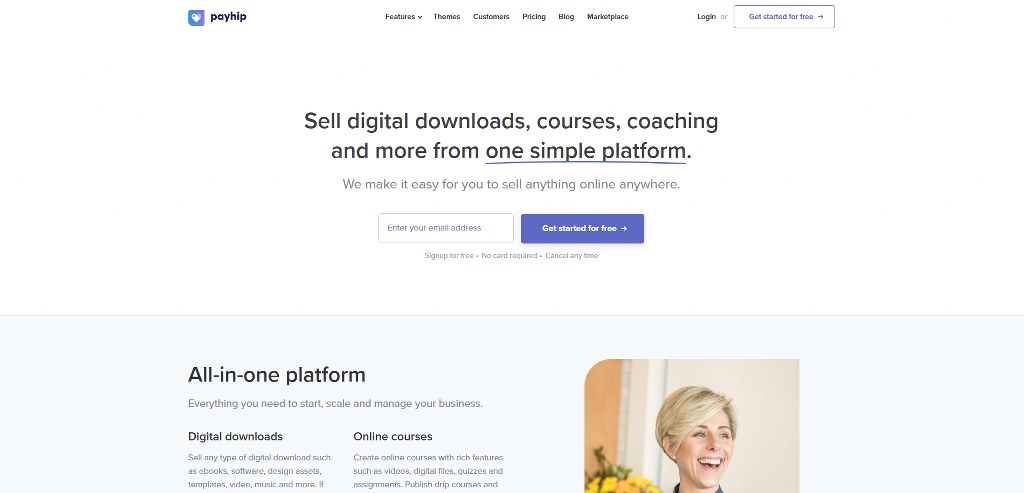

Payhip’s customer-centric approach serves creators who want to attract customers without learning e-commerce. Their target market values simplicity over features.
How to Craft a Powerful Brand Positioning Statement
You’ve seen seventeen examples of positioning marketing excellence. Now it’s your turn. Crafting your brand positioning statement requires research, honesty, and precision.
Steps to Conduct Market Research and Define Your Brand Essence
Know Your Audience: Use surveys and support data to understand pain points. Customer feedback reveals what customers actually value, not what you think they value. CX Trends reports that approximately 50% of customers prioritize empathy in brand interactions.
Analyze Competitors: Conduct thorough competitive analysis to identify gaps in the market. Avoid “me-too” positioning that makes you interchangeable with other brands.
Be Specific: Vague goals like “quality” fail. Specific claims drive that 27% higher ROI mentioned earlier. What exactly makes you different?
Align Values: Ensure your positioning statement examples reflect internal culture. About 54% of consumers consider diversity and inclusion when buying. Authenticity matters.
Run brand awareness surveys to understand current perceptions. Gather customer testimonials that support your positioning claims. Review your marketing materials for consistency with intended positioning.
| Metric | Impact of Strong Positioning | Source |
|---|---|---|
| ROI | +27% vs. vague positioning | Harvard Business Review |
| LTV | +306% with emotional connection | Motista |
| Awareness | +34% using opposition strategy | Various Studies |
| Sales Cycle | 41% shorter for problem-solution | Gartner |
Your successful product positioning strategy must align across all touchpoints. Sales teams, marketing materials, customer support, and leadership communications should reinforce the same core message.
Establishing Your Digital Presence: The Foundation of Positioning
Brilliant positioning means nothing without a home. Your website serves as the central hub for your brand narrative, the place where positioning becomes tangible.
Your positioning statement needs a physical presence. A professional website acts as proof of your claims and hub for your brand essence.
Unlike social media platforms, a dedicated website allows you complete control over user experience and messaging hierarchy. You decide what visitors see first.
Whether you’re launching a niche e-commerce store like Payhip or a content platform like Wistia, reliable hosting provides the foundation for effective brand positioning.
Consider this: every positioning example in this article has a polished website reinforcing their market position. From Apple’s sleek product pages to Patagonia’s activism-forward design, websites make positioning tangible.
To bring your positioning to life, you need a fast, secure foundation. Check out the best web hosting services to start building your brand’s home today.

Final Thoughts on Successful Brand Strategy
Effective brand positioning separates market leaders from also-rans. But positioning isn’t a one-time exercise. It requires ongoing attention.
Consistency is Key: Your positioning must remain consistent across all internal and external messaging. Mixed signals destroy brand loyalty faster than competitors ever could.
Adaptability: While your core brand essence remains stable, strategies may need evolution. Pepsi has repositioned multiple times while maintaining their youthful energy core. Netflix shifted from DVD delivery to streaming without losing their entertainment leadership positioning.
Data-Backed: Use metrics like LTV, CAC, and ARPU to validate if your positioning resonates with your target audience. Customer satisfaction scores and brand awareness surveys provide ongoing feedback.
The seventeen examples of positioning marketing in this article share common threads. They know their target market intimately. They make specific, believable claims. They remain consistent across every customer touchpoint.
Your brand’s market position awaits. The competitive edge you’ve been seeking isn’t a bigger budget or better product. It’s clearer positioning.
Next Steps: What Now?
- Audit your current positioning statement against the examples above for clarity and specificity.
- Conduct market research to understand how customers perceive your brand compared to competitors.
- Identify one positioning angle from these seventeen examples that could work for your business.
- Review all marketing materials for consistency with your intended brand positioning.
- Set up brand awareness surveys to establish baseline perception metrics.
- Secure reliable web hosting to ensure your positioning has a professional home online.
- Test your positioning with a small segment before rolling out broadly.


